
What Is Tinnitus?
Tinnitus is the perception of sound when there is no corresponding external sound. It is often described as ringing in the ears, but it may also sound like buzzing, humming, whistling, hissing, clicking, roaring or pulsing. The sound may be heard in one ear, both ears or elsewhere in the head. It can be constant or intermittent, and its pitch and loudness can vary considerably.
Tinnitus is a symptom rather than a disease. It is commonly associated with hearing loss or exposure to loud sound, but it can also be related to earwax, an ear condition, certain medicines, jaw problems, head or neck injuries, Ménière’s disease and other medical conditions. In some cases, no specific cause can be identified.
For more information about the different forms of tinnitus, common symptoms and possible causes, visit our guide to tinnitus.
When Should You Seek Medical Help for Tinnitus?
Arrange an appointment with a doctor or audiologist if tinnitus is persistent, worsening, affecting your sleep or emotional wellbeing, or accompanied by changes in hearing. A hearing assessment can identify hearing loss and help determine whether an ear or hearing condition may be contributing.
Seek urgent medical care if tinnitus occurs with sudden hearing loss, severe or uncontrolled dizziness, facial weakness, numbness, difficulty speaking or another neurological symptom. New pulsatile tinnitus that follows your heartbeat, tinnitus after a head injury, or persistent tinnitus affecting only one ear should also be medically assessed.
Can Tinnitus Be Treated?
There is currently no single treatment that cures every form of tinnitus. However, treatment of an identifiable underlying condition may reduce or sometimes resolve the sound. When tinnitus persists, several evidence-based management approaches can reduce its effect on sleep, concentration, communication and quality of life.
The most appropriate treatment depends on the possible cause, whether hearing loss is present, how long the tinnitus has continued and how much it affects your daily life. Management should therefore be individualised rather than based on a single product or treatment.
How Is the Best Tinnitus Treatment Selected?
Your doctor or audiologist will begin by taking a detailed case history. You may be asked when the tinnitus began, whether it affects one or both ears, how the sound is perceived, whether it follows your heartbeat and whether you have hearing loss, dizziness, ear pain, headaches, noise exposure or other relevant health conditions.
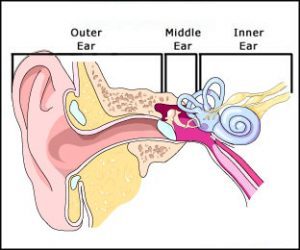
The ear canal and eardrum may be examined with an otoscope to check for earwax, infection, inflammation, eardrum changes or another visible ear condition. Your doctor may also review your medicines, blood pressure and general medical history.
An audiologist will usually perform a comprehensive hearing assessment because tinnitus frequently occurs alongside hearing loss. Testing may include pure-tone audiometry, speech testing and tympanometry when a middle-ear condition or conductive hearing loss is suspected.
During pure-tone audiometry, sounds of different pitches and loudness levels are presented through headphones or earphones. You respond when you hear each sound, allowing the audiologist to measure the softest sounds you can detect across a range of frequencies.
Medical imaging is not required for every person with tinnitus. A doctor or specialist may arrange an MRI, CT scan or other investigation when symptoms suggest a structural, neurological or blood-vessel-related cause. Imaging is more likely to be considered for pulsatile tinnitus, persistent one-sided tinnitus, asymmetric hearing loss or accompanying neurological symptoms.
Treating an Underlying Cause of Tinnitus
When an underlying condition is identified, treatment should focus on that condition. Improvement in tinnitus varies between individuals, and treating the suspected cause does not always eliminate the sound completely.
| Possible cause or contributing factor | Possible clinical approach |
|---|---|
| Loud-noise exposure | Prevent further damage by lowering sound levels, limiting exposure time and using correctly fitted hearing protection in hazardous noise. A hearing assessment can identify any resulting hearing loss. Existing noise-related hearing damage cannot usually be reversed. |
| Hearing loss | Appropriately fitted hearing aids may improve communication and make tinnitus less noticeable by increasing access to external sounds. Other hearing treatments depend on the type and severity of hearing loss. |
| Impacted earwax or a foreign object | A qualified healthcare professional may recommend wax-softening drops, microsuction, manual removal or irrigation after examining the ear. Irrigation is not appropriate for every patient and should not be attempted when certain ear conditions are present. |
| Ear infection or middle-ear fluid | Treatment depends on the type, cause and duration of the condition. Options may include observation, symptom management, medication or referral for further assessment. Antibiotics or grommets are only appropriate in selected cases. |
| Eustachian tube or middle-ear dysfunction | Management depends on the underlying cause and may include observation, treatment of nasal or inflammatory conditions, pressure-management advice or specialist assessment. Grommets are not routinely required for every case. |
| Ménière’s disease or another inner-ear condition | Management may involve an ear, nose and throat specialist, hearing rehabilitation, symptom-specific medication and individualised lifestyle advice. |
| Medicine-related tinnitus | A doctor or pharmacist can review whether a medicine may be contributing and whether an alternative dose or treatment is appropriate. Prescribed medicine should not be stopped or changed without professional advice. |
| Temporomandibular joint or jaw problems | Treatment may involve a dentist, physiotherapist, doctor or other appropriately qualified professional. Management can include jaw-care strategies, exercises or treatment of an identified dental or musculoskeletal condition. |
| Head or neck injury | New tinnitus after an injury requires medical assessment. Treatment depends on the structures affected and may involve observation, rehabilitation, hearing care, medical treatment or specialist intervention. |
| Cardiovascular or blood-flow condition | Pulse-synchronous tinnitus may require medical examination and imaging. Treatment may involve management of blood pressure or another diagnosed vascular condition under specialist care. |
| Tumour or structural abnormality | Management is determined by the diagnosis, location, size, symptoms and overall health of the patient. Options may include monitoring, surgery, radiotherapy or another specialist treatment. Most people with tinnitus do not have a tumour. |
How Is Persistent Tinnitus Managed?
When tinnitus cannot be eliminated, management focuses on reducing how intrusive or distressing it feels. A successful tinnitus management plan may combine hearing care, education, psychological support, sound enrichment and strategies for sleep and stress.
- Hearing aids when hearing loss is present
- Tinnitus education and counselling
- Cognitive behavioural therapy
- Sound enrichment or sound therapy
- Sleep-management strategies
- Relaxation and stress-management techniques
- Mindfulness-based psychological support
- Structured tinnitus rehabilitation programmes
Hearing Aids
Hearing aids are commonly recommended when tinnitus occurs with hearing loss that affects communication. By improving access to speech and surrounding sounds, hearing aids can reduce listening effort and make the contrast between tinnitus and the external environment less noticeable.
Hearing aids are not generally recommended solely as a tinnitus treatment when hearing tests show no hearing loss. Some hearing aids include optional tinnitus sound features, but the amplification and hearing rehabilitation they provide are often the most important benefits.
Cognitive Behavioural Therapy
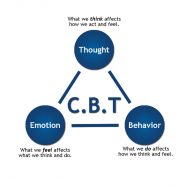
Cognitive behavioural therapy, commonly known as CBT, is one of the better-supported treatments for tinnitus-related distress. It does not necessarily reduce the physical loudness of tinnitus. Instead, it helps change unhelpful thoughts, emotional reactions and behaviours that can make the sound feel more intrusive.
CBT may help improve sleep, reduce anxiety and depression, and make tinnitus easier to manage. It may be provided individually, in a group or through an appropriately supported digital programme.
Sound Enrichment and Sound Therapy
Gentle background sound can reduce the contrast between tinnitus and a quiet environment. This may be particularly useful at night or during activities that require concentration.
Sound options may include:
- bedside or desktop sound generators;
- smartphone sound applications;
- quiet music, nature sounds or spoken audio;
- a fan or other gentle environmental sound;
- sound pillows or pillow speakers;
- wearable sound generators; and
- combination hearing aids and sound generators when clinically appropriate.
The goal is generally not to drown out tinnitus with loud sound. Sound should remain comfortable and should not create additional noise exposure. Evidence for specific sound-therapy devices varies, so recommendations should be based on your symptoms, hearing results and preferences.
Counselling, Relaxation and Mindfulness
Education and counselling can reduce uncertainty and help you develop practical coping strategies. Relaxation exercises, breathing techniques and mindfulness-based approaches may also help when stress makes tinnitus more noticeable.
Tinnitus retraining therapy combines structured counselling with sound enrichment to encourage habituation. Some clinicians offer this approach, although the evidence does not establish that it is superior to every other form of tinnitus support.
Are There Medicines or Supplements for Tinnitus?
There is no medication that reliably cures tinnitus itself. A doctor may prescribe treatment for an underlying condition or for related problems such as anxiety, depression or severe sleep disturbance, but these medicines are not direct cures for tinnitus.
Vitamins, herbal products and dietary supplements are frequently marketed as tinnitus remedies, but they have not been proven to work for most people. Some products can interact with medicines or cause side effects, so discuss supplements with your doctor or pharmacist before taking them.
Habituation and the Long-Term Outlook
Many people gradually habituate to tinnitus. Habituation means the brain begins to classify the sound as unimportant, so it attracts less attention and causes less distress. The sound may still be present, but it no longer dominates daily life.
Habituation can take time and may be supported by accurate information, treatment of hearing loss, improved sleep, reduced stress and appropriate psychological care. It should not be used as a reason to ignore new, one-sided, pulsatile or otherwise concerning symptoms.
Find a Tinnitus Clinic Near You
Tinnitus treatment should begin with a professional assessment of your hearing, symptoms and medical history. Because tinnitus can be associated with hearing loss, ear conditions, noise exposure, medicines and other health factors, the most appropriate management plan will vary from person to person.
A qualified hearing care professional can assess your hearing, explain whether hearing loss may be contributing to your tinnitus and recommend suitable treatment or management options. These may include hearing aids, tinnitus counselling, sound enrichment, communication support or referral to a doctor or specialist when further medical investigation is required.
You do not need to manage persistent ringing, buzzing or other tinnitus symptoms without support. Hearing Choices can help you find a local hearing clinic where you can discuss your symptoms and take the next step toward an individualised tinnitus management plan.
Seek urgent medical care if tinnitus begins with sudden hearing loss, follows a head injury, pulses in time with your heartbeat, or occurs with severe dizziness, facial weakness, vision changes or other neurological symptoms.

