
Buying hearing aids can feel complicated, particularly when you are still learning about hearing loss, hearing tests, technology levels, prices, and different types of hearing care providers. This Hearing Aids 101 guide explains the process step by step so you can make informed decisions about your hearing health and choose a solution suited to your needs, lifestyle, and budget.
Your hearing aid journey should begin with a professional hearing assessment. From there, you can learn more about your hearing results, compare hearing aid styles, understand available technology, consider costs and funding options, and select a qualified hearing care provider. Hearing aids do not restore normal hearing, but appropriately selected and professionally fitted devices can improve access to speech and everyday sounds, reduce listening effort, and support clearer communication.
Use the eight steps below as a hearing aid buyer’s guide, from recognising possible hearing loss through to maintaining your devices and getting the best possible performance from them.
Step 1: Understand Hearing Loss and the Hearing Aid Industry
Before comparing hearing aids, it helps to understand how hearing loss may affect speech, communication, relationships, and daily life. This section also explains how the hearing aid industry operates and when it may be appropriate to arrange a hearing assessment.
- The Hearing Aid Industry
- Determining If You Have Hearing Loss
- Do You Need a Hearing Aid?
- Surprising Facts About Hearing Loss and Risks of Untreated Hearing Loss
Step 2: Choose a Hearing Care Provider
The clinic and clinician you choose can be just as important as the hearing aid itself. A good provider should explain your hearing test results, discuss suitable treatment options, provide transparent pricing, professionally fit your devices, and offer appropriate follow-up care.
- Audiologist vs Audiometrist
- Services You Should Expect
- Hearing Clinics: Big Company vs Private Provider
- Read Reviews
Step 3: Compare Hearing Aid Types and Technology
There is no single hearing aid that is right for everyone. The most appropriate option will depend on factors such as your type and degree of hearing loss, ear health, dexterity, cosmetic preferences, listening environments, connectivity needs, and budget.

Modern hearing aids are available in behind-the-ear, receiver-in-canal, in-the-ear, in-the-canal, and more discreet custom styles. Depending on the model, features may include rechargeable batteries, directional microphones, automatic environment detection, smartphone connectivity, wireless audio streaming, app controls, and tinnitus management tools.
More expensive technology is not automatically the right choice for every person. Your hearing care provider should recommend a technology level based on the environments in which you need help, rather than simply offering the highest-priced device.
Step 4: Prepare for Your Hearing Test
A comprehensive hearing assessment helps identify whether hearing loss is present, which frequencies are affected, how well you understand speech, and whether further medical investigation may be appropriate. Understanding the testing process can help you feel more prepared and ask better questions during your appointment.
Step 5: Understand Hearing Aid Prices and Buying Options
Hearing aid prices vary according to the technology, style, included services, warranty, follow-up care, and provider. When comparing quotes, look beyond the device price and confirm what is included, such as fitting appointments, adjustments, maintenance, rehabilitation, repairs, and ongoing support.
Buying hearing aids is different from buying an ordinary consumer electronic product. The results depend not only on the device, but also on the accuracy of the hearing assessment, the suitability of the recommendation, the quality of the fitting, and the support you receive while adapting to amplification.
Step 6: Have Your Hearing Aids Professionally Fitted
A hearing aid fitting involves more than placing the devices in your ears. Your clinician should program the hearing aids for your hearing loss, check their physical comfort, explain how to use and care for them, and arrange follow-up appointments for further adjustments.
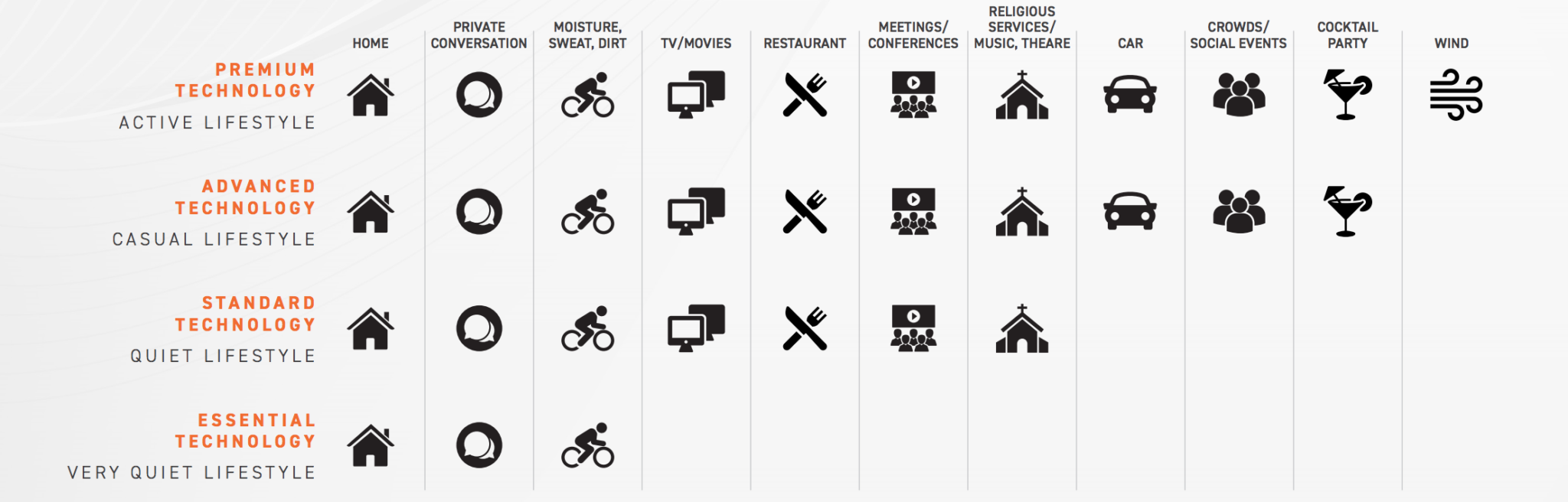
Your initial settings may need to be refined as you begin using the devices in everyday situations. Follow-up care gives you an opportunity to discuss comfort, sound quality, speech understanding, background noise, connectivity, and any situations in which you are still having difficulty.
Step 7: Adjust to Life With Hearing Aids
Adapting to hearing aids takes time. Sounds you have not heard clearly for years may initially seem unfamiliar, and your brain may need time to readjust to a wider range of speech and environmental sounds. Consistent use, realistic expectations, communication strategies, and follow-up adjustments can improve the adaptation process.

- Wearing Your Hearing Aids Successfully
- Communication Tips and Exercises
- Travelling With Hearing Aids
Hearing aids can make conversations easier to follow and help you participate more confidently in social, family, and workplace situations. However, they work best when combined with practical communication strategies, such as reducing background noise, facing the person speaking, improving lighting, and asking others to speak clearly rather than simply speaking louder.
Step 8: Get the Best Performance From Your Hearing Aids
Regular cleaning, safe storage, moisture protection, and routine servicing can improve hearing aid reliability and extend the life of your devices. Learning how to identify common problems can also help you determine whether an issue can be resolved at home or requires assistance from your hearing clinic.
- Cleaning and Maintenance
- Hearing Aid Batteries
- Wax and Moisture Management
- Troubleshooting Your Hearing Aids
- Storing and Insuring Your Hearing Aids
Take an Active Role in Your Hearing Care
Choosing hearing aids is an important healthcare decision, but you do not need to hand every decision over to a provider. Understanding your hearing test results, asking why a particular device has been recommended, and discussing your most important listening situations will help you participate actively in your care.
Hearing loss is associated with communication difficulties, increased listening effort, social isolation, and a higher risk of cognitive decline in older adults. Hearing aids are not a cure for hearing loss or dementia, but they can improve access to sound, support communication, and help people remain connected to family, friends, work, and community life.
The best hearing aid is not necessarily the smallest, newest, or most expensive model. It is the device that appropriately addresses your hearing loss, suits your daily activities, is fitted and adjusted correctly, and is supported by a provider who offers the follow-up care you need.
Hearing Choices has helped Australians compare hearing aid options and connect with hearing care providers. Work through each section of this Hearing Aids 101 guide to understand the buying process, prepare for your appointments, and make a more informed decision about your hearing care.

