BTE Hearing Aids vs. ITE Hearing Aids
Choosing the right hearing aid is a highly personal decision, and understanding the differences between styles is an important first step. Behind-the-ear (BTE) and in-the-ear (ITE) hearing aids are two of the most common options available today, each offering unique benefits in terms of fit, performance, visibility, and features. However, what works well for one person may not be the best option for another, depending on hearing needs, lifestyle, and personal preferences.
At Hearing Choices Australia, our mission is to bring transparency, choice, and trust to the hearing aid market. That’s why we’ve put together this helpful comparison guide to break down the key differences between behind-the-ear vs. in-the-ear hearing aids.
Read on to learn how each style works, who they are best suited for, and what to consider when choosing the best hearing aid for your unique needs.
What Are Behind-the-Ear Hearing Aids? (BTE Hearing Aids)
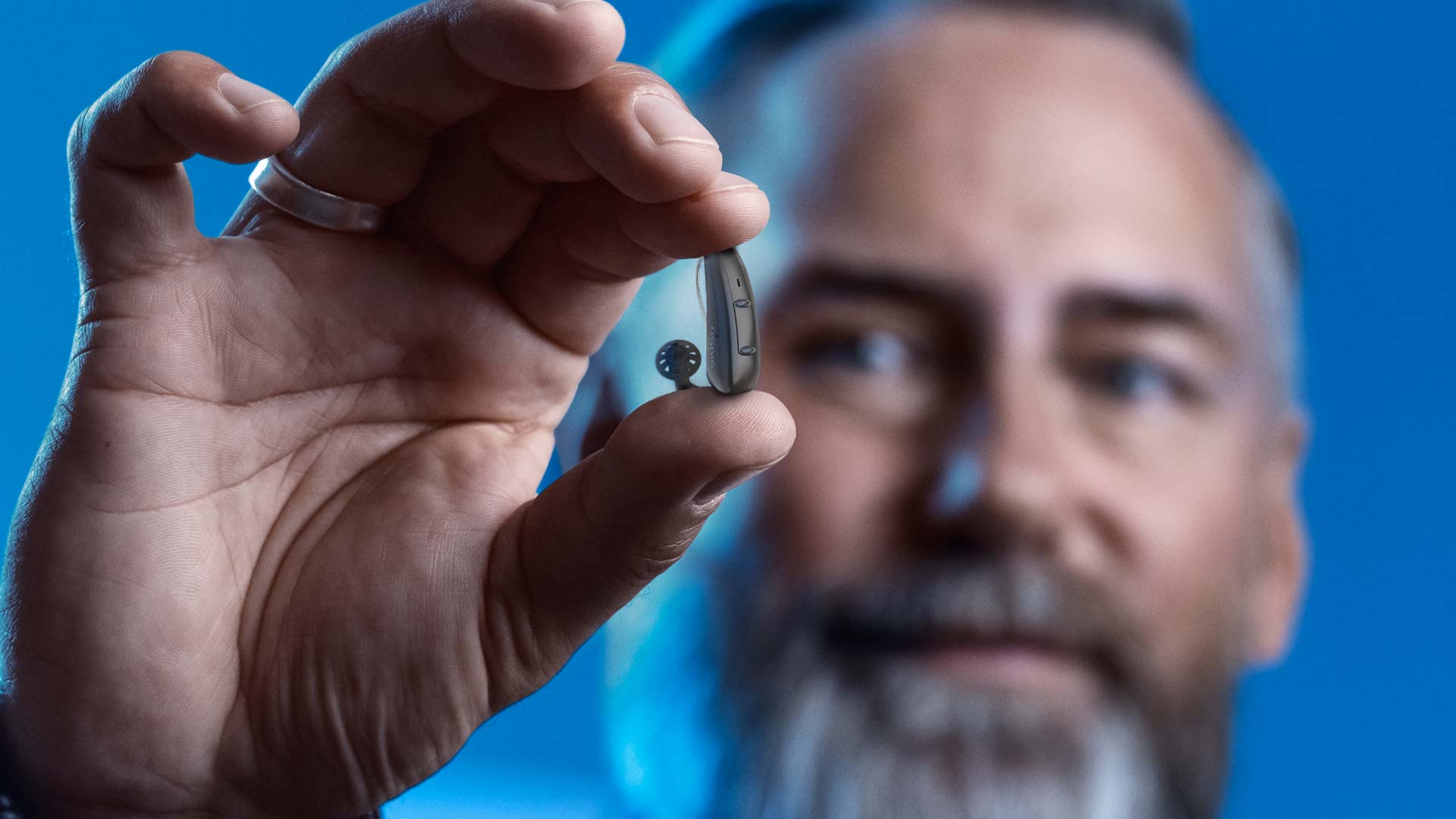
Behind-the-ear hearing aids, also called BTE hearing aids, are a style of hearing aid that rest comfortably behind the ear and use an earmold or thin tube to deliver sound directly into the ear canal.
There are two main styles of BTE hearing aids, including:
- Behind-the-Ear (BTE)
- Receiver-in-canal (RIC)
Below, we take a closer look at how behind-the-ear hearing aids address all degrees of hearing loss while delivering power performance, sophisticated features, and advanced durability.
BTE Hearing Aids are Best for: All Levels of Hearing Loss (Moderate to Profound)
BTE hearing aids are suitable for all levels of hearing loss, from moderate to profound. Their larger size allows for more advanced sound processing, powerful amplification, and clarity across various listening environments.
BTE Hearing Aids Fit and Appearance
BTE hearing aids rest comfortably behind the ear and use either a custom earmold or a thin, discreet tube to deliver sound into the ear canal. For some individuals who regularly wear glasses, hats, or face masks, this placement may feel less comfortable. Although behind-the-ear styles are more visible than in-ear options, today’s designs are significantly slimmer and more discreet than ever before.
BTE Hearing Aids Battery Life
Thanks to their larger housing, BTE hearing aids typically offer longer battery life than smaller, ITE styles. For disposable batteries, many standard BTEs use size 13 (orange), which last about 5-7 days, or size 675 (blue), which can last up to 10 days.
Many models use rechargeable batteries that can last a full day or more on a single charge, with the most advanced options offering up to 51 hours of power.
BTE Hearing Aids Features and Technology
BTE hearing aids often offer a wide range of sophisticated features and advanced technology, making them suitable for more severe or complex hearing loss. These features can include custom programming, AI sound processing, Bluetooth connectivity, and so much more.
BTE Hearing Aids Handling and Maintenance
People with dexterity challenges find that BTE hearing aids are easy to handle due to their bigger size. This also makes daily cleaning, battery replacements, and routine maintenance easier as well.
Because the main components sit behind the ear, BTE devices are less exposed to moisture and earwax than in-the-ear styles, though they still require daily cleaning and care.
BTE Hearing Aids Durability
Behind-the-ear hearing aids are known for their durability. Their larger housing allows for stronger materials and better sealing, which helps protect internal electronics. BTE devices are often a reliable choice for active individuals and those who live in humid or variable environments.
Some BTE hearing aids are even waterproof. This waterproof design makes BTE devices even more durable, helping protect against sweat, moisture, rain, and accidental splashes.
What Are In-the-Ear Hearing Aids? (ITE Hearing Aids)
In-the-ear hearing aids, also called ITE hearing aids, are a style of hearing aid that are custom moulded to fit within the outer portion of the ear or entirely within the ear canal.
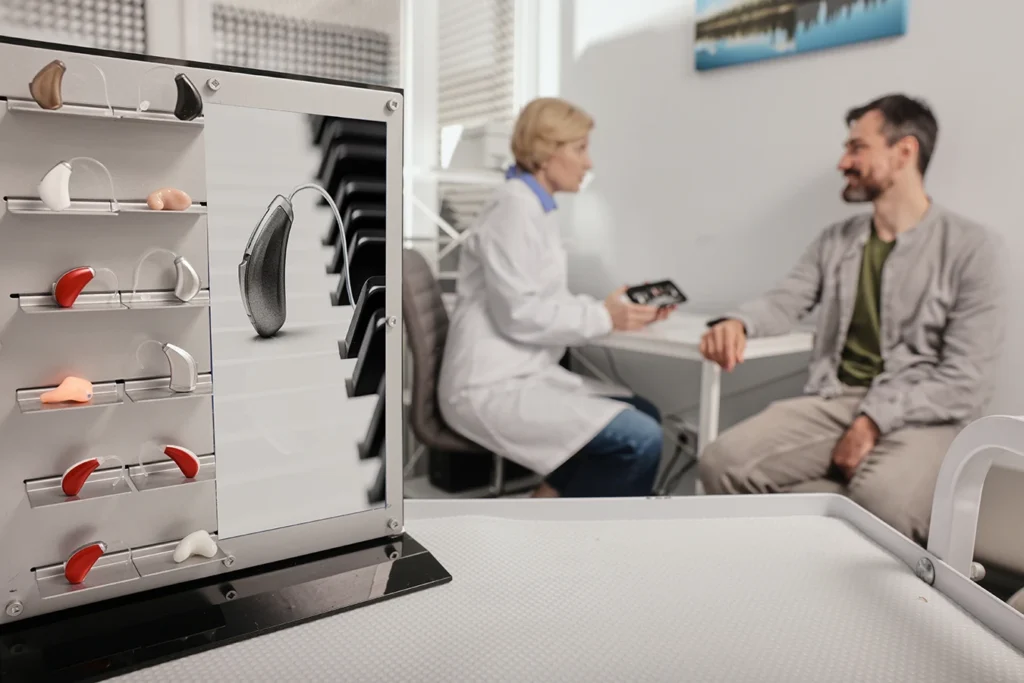
Below are various ITE hearing aid styles, listed from the largest (most visible) to the smallest (least visible) models:
- In-the-Ear (ITE)
- In-the-Canal (ITC)
- Completely-in-Canal (CIC)
- Invisible-in-Canal (IIC)
The following sections explore how in-the-ear hearing aids accommodate different hearing loss levels while balancing comfort, performance, and discretion.
ITE Hearing Aids are Best for: Moderate to Severe Hearing Loss
ITE hearing aids are typically suitable for individuals with moderate to severe hearing loss. Their compact size supports effective amplification and sound processing, but they generally do not deliver the same level of power as larger BTE models, which are better suited for more advanced or complex hearing loss.
ITE Hearing Aids Fit and Appearance
One of the main benefits of ITE hearing aids is how discreet they are. These devices are purposefully small, with some styles fitting fully within the ear canal so they are virtually invisible to other people. They are also custom moulded for a snug, personalised fit and all-day comfort.
ITE Hearing Aids Battery Life
Due to their smaller size, ITE hearing aids typically have shorter battery life compared to BTE devices. For disposable batteries, standard ITEs often use sizes 10 (yellow) or 312 (brown), which generally last about 3–5 days.
Rechargeable options are available, with some advanced models offering up to 45 hours of battery life on a single charge.
ITE Hearing Aids Features and Technology
In-the-ear hearing aids might be small, but they can still offer sophisticated features and advanced technology. Many models can support features like custom programming, wireless connectivity, and AI. However, their size may limit the inclusion of some advanced components found in larger styles.
ITE Hearing Aids Handling and Maintenance
Because ITE hearing aids are smaller, they may be more challenging to handle for people with limited dexterity. Daily cleaning is important, as these devices are more directly exposed to earwax and moisture. However, due to their size, cleaning, battery replacements, and maintenance can be more difficult.
ITE Hearing Aids Durability
ITE hearing aids are built for daily wear and long-term durability. Because they sit inside the ear, they are more exposed to moisture and earwax buildup, making regular cleaning and maintenance especially important.
Some ITE models are available with waterproof protection. However, due to their extremely small size, invisible-in-the-canal (IIC) styles are not compatible with waterproof hearing aid technology.
Comparison Summary: BTE Hearing Aids vs ITE Hearing Aids
Both BTE and ITE hearing aids offer effective solutions for hearing loss, but each style is designed to meet different needs and preferences.
Behind-the-ear hearing aids are typically best for people with more severe or complex hearing loss and those who want longer battery life and more advanced features. In-the-ear hearing aids can be a good solution for people who prefer a more discreet fit while still supporting less severe levels of hearing loss.
The table below provides a side-by-side comparison of BTE vs. ITE hearing aids to help highlight the key differences at a glance:
| Feature | BTE Hearing Aids | ITE Hearing Aids |
|---|---|---|
| Hearing Loss Range | All levels of hearing loss; mild to profound hearing loss | Mild to severe hearing loss |
| Visibility | Moderately discreet to noticeable | Highly discreet to nearly invisible |
| Battery Life | 5-10 days with disposable batteries, or up to 51 hours per charge for the most advanced rechargeable models | 3–5 days with disposable batteries, or up to 45 hours per charge for the most advanced rechargeable models |
| Durability | High durability with some waterproof options | Moderate durability, but more prone to moisture and earwax buildup, and limited waterproof options |
| Ease of Handling | Easier to handle for those with limited dexterity | Can be harder to handle for those with limited dexterity |
Ultimately, the best hearing aid for you depends on your level of hearing loss, personal preferences, and lifestyle needs. Because hearing loss is highly individualised, consulting with a hearing specialist is essential to ensure you find the best solutions for your unique needs.
Find the Best Hearing Aid for Your Needs, Lifestyle, and Budget
At Hearing Choices Australia, we are proud to partner with a network of top-rated audiologists to help you find the best hearing solutions for your needs, lifestyle, and budget. Our experts will work with you to develop a personalised care plan to help you hear better and live better in every moment.
Contact us to speak with a local expert and take the first step toward better hearing for life.