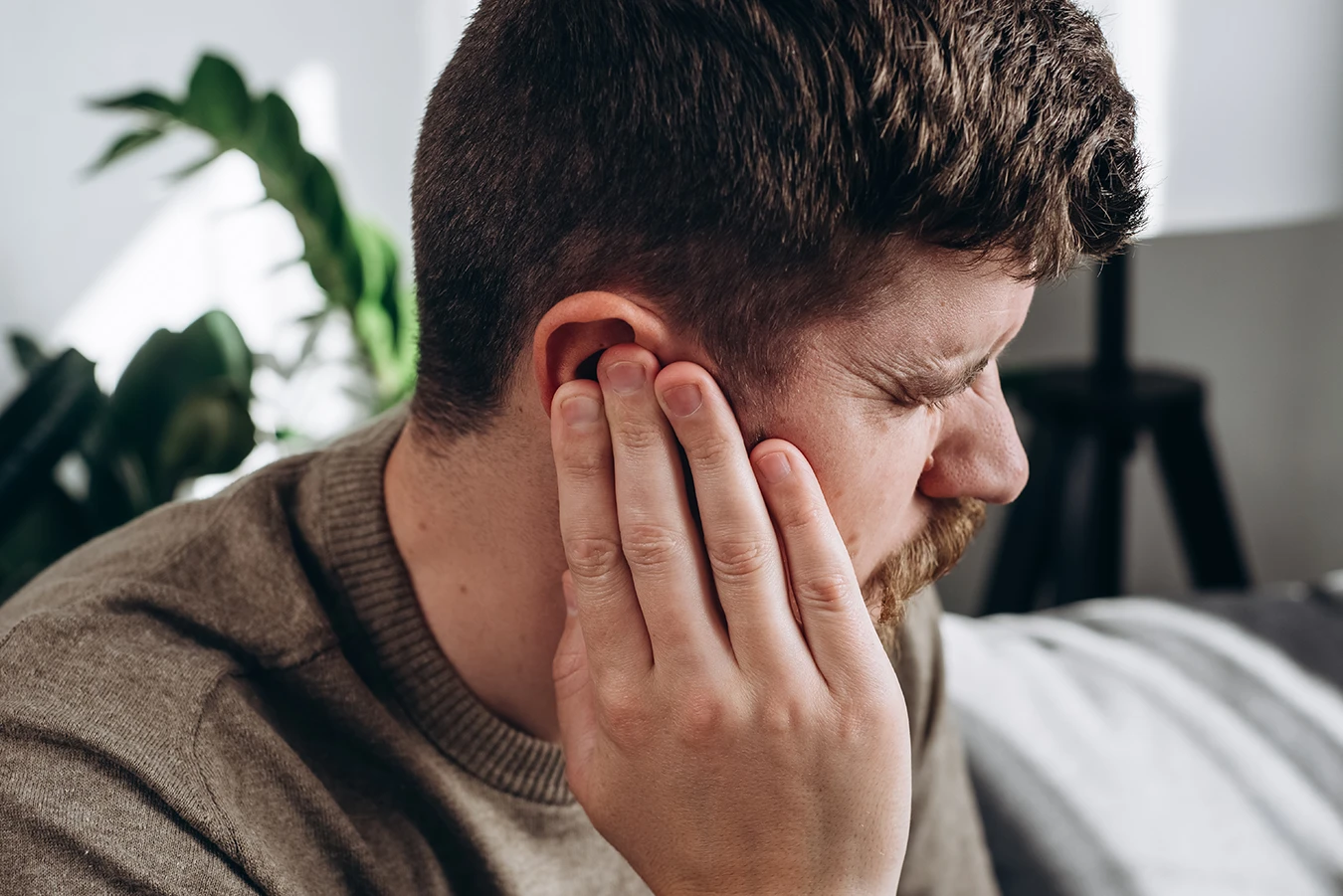
Roughly 1 in 5 people in Australia experience tinnitus 1, a common side effect of hearing loss that causes ringing, buzzing, or rushing sounds in the ears. It can come and go or happen constantly, interfering with daily comfort, sleep, and overall quality of life.
While there is no permanent cure for tinnitus, that doesn’t mean you have to live with it forever. A qualified audiologist can evaluate your overall hearing health and recommend personalised tinnitus relief strategies to help combat your unique symptoms.
In this guide, we provide an overview of common tinnitus treatment options and how an audiologist can help you find relief from ringing in the ears.
What is Tinnitus?
Tinnitus is the medical term for hearing ringing, buzzing, rushing, or other sounds that don’t have an outside source. While it isn’t a condition itself, it does signal an underlying issue with your auditory system.
Tinnitus is most commonly a side effect of hearing loss. It’s usually caused by damage to the delicate hair cells in the inner ear, which send random electrical signals to the brain that are interpreted as ringing or buzzing. This kind of inner ear damage is most often a result of prolonged or repeated exposure to loud noises or a natural effect of aging.
What Are the Symptoms of Tinnitus?
Tinnitus symptoms can vary greatly from person to person. While some people experience these phantom sounds occasionally, others hear them near constantly throughout the day.
Common symptoms of tinnitus include:
- Ringing, buzzing, whistling, humming, or hissing sounds in one or both ears
- Sounds that come and go or persist constantly
- Difficulty concentrating or sleeping due to the sound
- Trouble hearing clearly over the internal sound
Whether these symptoms are a mild nuisance or significantly disrupt daily life, it’s essential to seek proper treatment to address the underlying issue. An audiologist can help diagnose and manage your tinnitus symptoms through treatment options tailored to your unique hearing needs.
Click the button below and enter your postal code in our online clinic finder to get a list of trusted audiologists near you right now.
How Does an Audiologist Diagnose Tinnitus?
An audiologist diagnoses tinnitus by evaluating your medical history and performing a comprehensive evaluation that measures your overall hearing health. They will analyse the specific pitch and loudness of the ringing you hear and assess how the condition impacts your daily life.
This evaluation generally involves a series of non-invasive and painless tests and may include:
- Otoscopy: This is a physical examination that uses a lighted magnifying tool called an otoscope to look inside the ear canal and at the eardrum. Your audiologist will look for signs of infection or blockages that could be contributing to tinnitus or hearing problems.
- Pure-Tone Audiometry: This is a standard hearing test that evaluates the specific frequencies you can hear at specific volumes. You will sit in a soundproof booth wearing headphones and raise your hand or click a button when you hear the tones.
- Speech Audiometry: This is an evaluation of how well you recognise and comprehend speech. You will listen to spoken words played at different volumes and be asked to repeat the words back out loud.
- Tympanometry: A quick and painless test that uses a soft probe to measure eardrum movement and middle ear pressure. This helps identify if middle ear problems may be contributing to your tinnitus symptoms.
- Otoacoustic Emissions (OAE): This test checks the function of the tiny hair cells in your inner ear responsible for hearing. Tinnitus is most often linked to damage to these delicate structures.
Using the results of this comprehensive evaluation, your audiologist can create a personalised tinnitus treatment plan tailored to your unique needs.
How Do Audiologists Treat Tinnitus?
The best treatment for tinnitus depends on the cause and severity. An audiologist can recommend treatment options and management strategies to help reduce the ringing and its impact on your daily life.
Below are the most commonly recommended treatment options for tinnitus that an audiologist may suggest:
Hearing Aids for Tinnitus
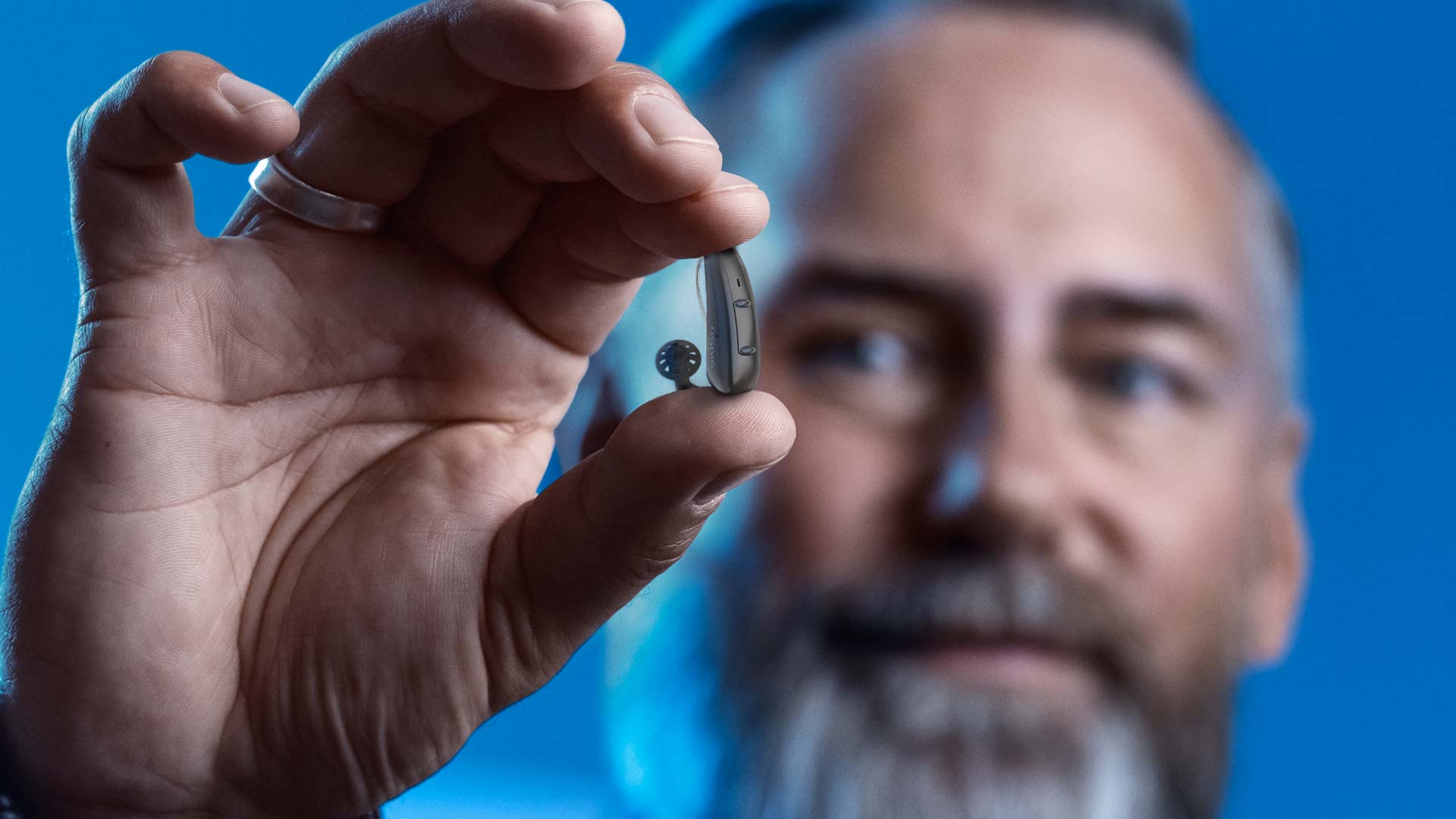
Hearing aids are one of the most effective treatment options for tinnitus. These devices combine hearing support with technology designed to provide relief from ringing in the ears. Some of the ways that they can help include:
- Tinnitus Masking: Many modern hearing aids have built-in tinnitus masking features that can also be fine-tuned to support the unique characteristics of your symptoms.
- Sound Amplification: Restoring access to everyday sounds gives the brain external noises to focus on and distracts from the internal ringing. This can greatly reduce the symptoms of tinnitus and restore the sounds missed due to hearing loss.
- Customisable Settings: Personalised hearing aid programming helps create a listening experience tailored to your unique hearing needs and tinnitus symptoms to provide all-day relief.
- Ongoing Hearing Support: As hearing loss progresses, tinnitus symptoms often worsen. Staying ahead of hearing changes with proactive, ongoing support helps keep tinnitus in check.
Hearing loss is associated with 90% of all cases of tinnitus2, which is why hearing aids are one of the most effective tools for tinnitus relief.
Sound Therapy for Tinnitus
Sound therapy uses external noise to mask or reduce the perception of tinnitus sounds. Over time, this can help your brain learn to tune out the ringing, buzzing, or humming so it becomes less noticeable in daily life. Sound therapy is often used as part of a broader tinnitus management plan, particularly when symptoms are affecting concentration, relaxation, or sleep.
Below is an overview of the most common sound therapy noises for tinnitus and how they work:
- White Noise: A consistent sound containing a broad range of frequencies. White noise can partially or completely mask tinnitus, making it harder to notice.
- Pink Noise: Similar to white noise but with more emphasis on lower frequencies. Some people find its softer, more balanced sound more comfortable for extended listening.
- Nature Sounds: Sounds such as rainfall, ocean waves, or flowing water can provide gentle background noise that distracts attention from tinnitus.
- Fractal Tones: Randomised, computer-generated chime sequences that never repeat, keeping the brain engaged and less focused on tinnitus sounds.
The most effective sound will vary from person to person. An audiologist can help you determine which approach may be appropriate based on your hearing and tinnitus symptoms.
Counselling and Specialised Therapy for Tinnitus
Counselling and specialised therapy for tinnitus focuses on helping you change how you respond to and cope with tinnitus rather than trying to eliminate the sound itself. Tinnitus can be incredibly distressing when it is difficult to ignore, so these therapies can help reduce the emotional and psychological impact of the condition.
Common approaches include:
- Tinnitus Counselling: Provides education about tinnitus and strategies for managing the way you respond to it. Understanding why tinnitus occurs and what can make it more noticeable may make the sound feel less disruptive.
- Cognitive Behavioural Therapy (CBT): Helps you identify and change negative thoughts and reactions associated with tinnitus. CBT can reduce tinnitus-related distress, anxiety, and sleep difficulties.
- Tinnitus Retraining Therapy (TRT): An ongoing treatment that combines counselling with sound therapy to help the brain gradually become less aware of tinnitus.
While these therapies may not necessarily make tinnitus disappear, they can make it easier to manage and reduce how much it interferes with your daily life.
Tinnitus Relief Starts with Hearing Choices
Tinnitus can have a substantial impact on daily life. However, it doesn’t need to stay this way. An audiologist can help diagnose and manage tinnitus through personalised solutions tailored to your unique symptoms.
At Hearing Choices Australia, we are proud to partner with a nationwide network of trusted audiologists and hearing consultants who are available to provide FREE, no-obligation consultations. Contact us today to find the best hearing aid and care solutions for your needs, lifestyle, and budget.
References:
- Healthdirect Australia. (2025, May 16). Tinnitus. https://www.healthdirect.gov.au/tinnitus
- Simonetti, P., Vasconcelos, L. G., Gândara, M. R., Lezirovitz, K., De Medeiros, Í. R. T., & Oiticica, J. (2022). Hearing aid effectiveness on patients with chronic tinnitus and associated hearing loss. Brazilian Journal of Otorhinolaryngology, 88, S164–S170. https://doi.org/10.1016/j.bjorl.2022.03.002