
-
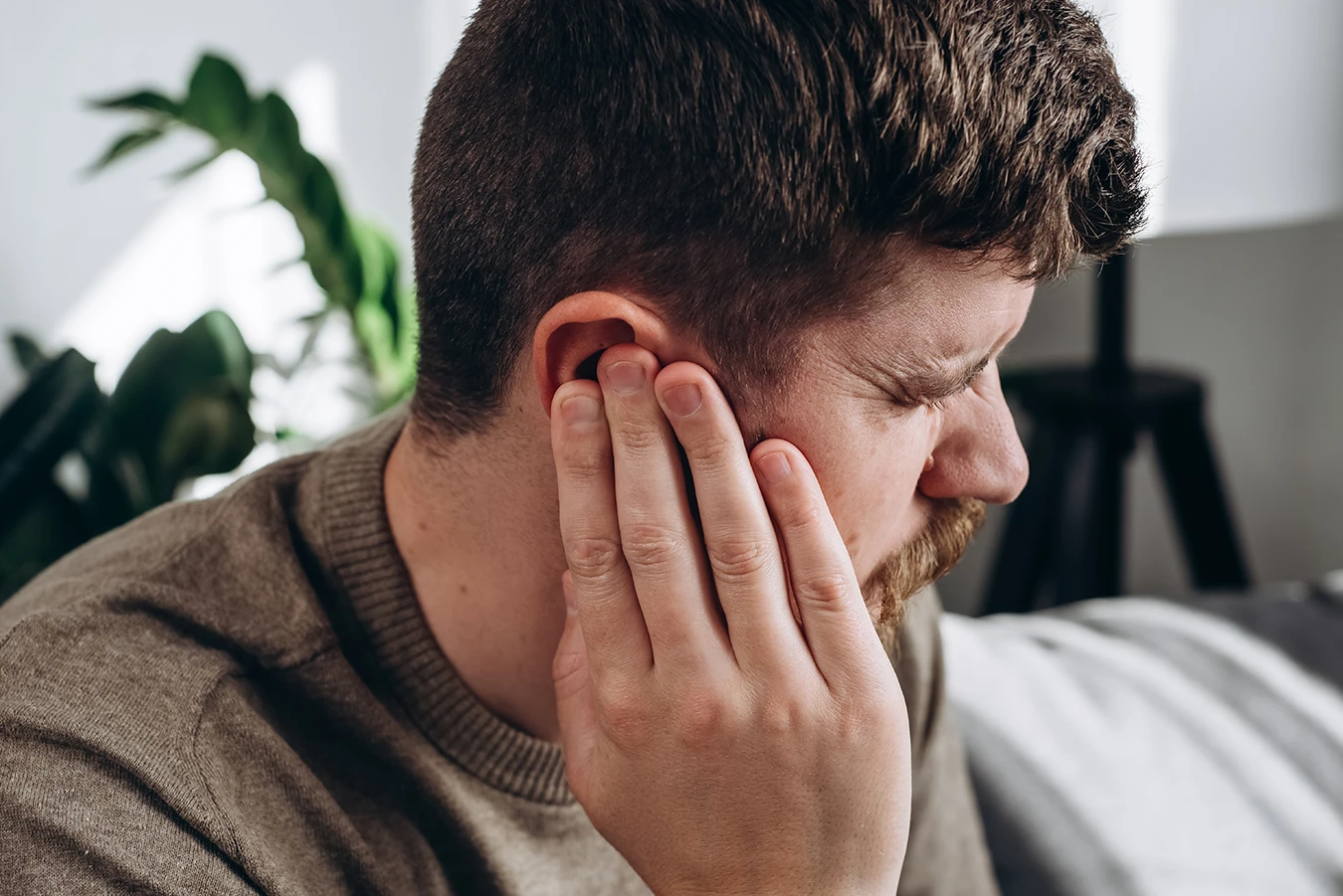
Can an Audiologist Treat Tinnitus?
In this guide, we provide an overview of common tinnitus treatment options and how an audiologist can help you find relief from ringing in the ears.
-

Which Brand of Hearing Aid is Best for Seniors?
In this guide, we compare the best hearing aid brands for seniors, including their key features, benefits, and considerations to help you find the right fit for your needs, lifestyle, and budget.
-
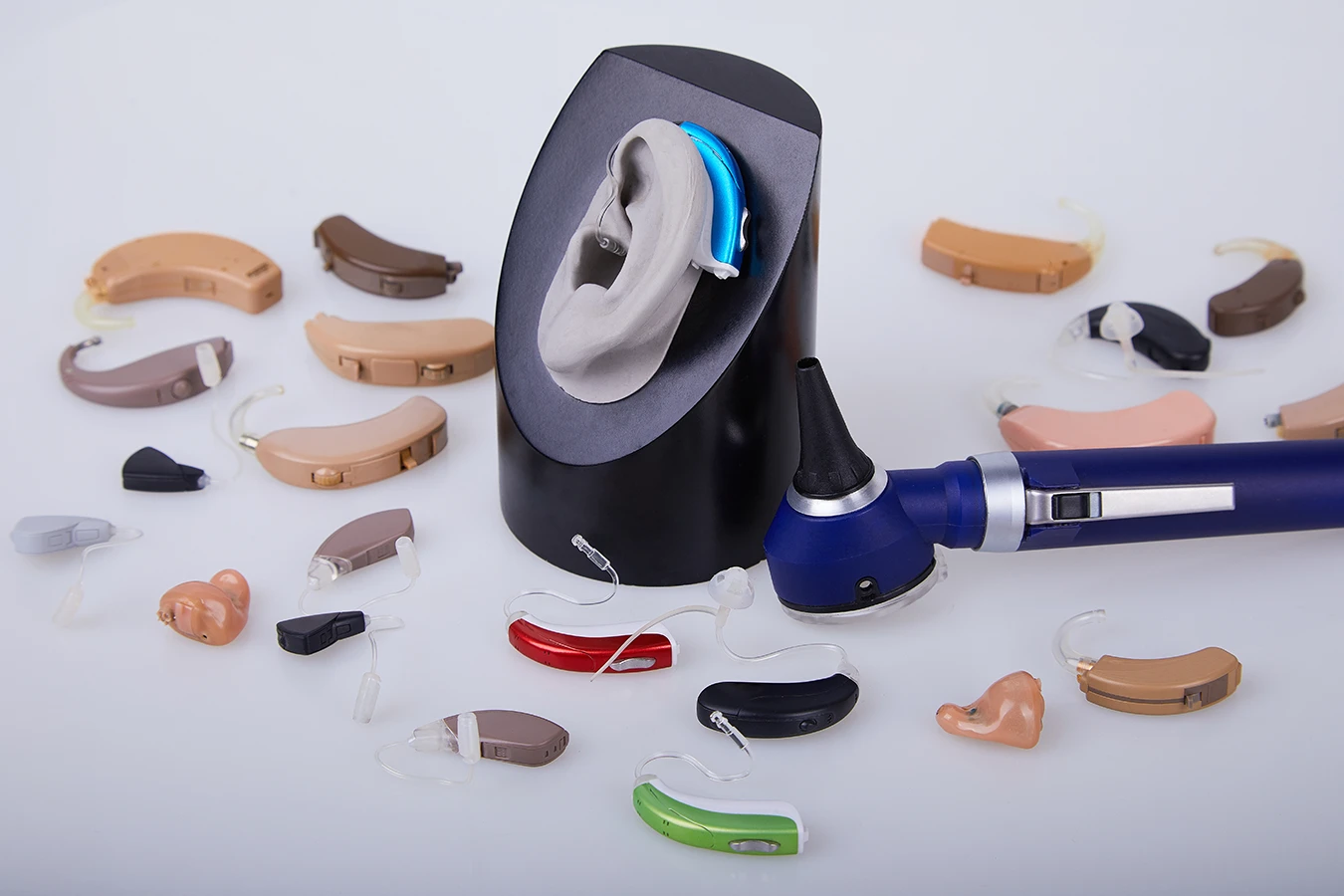
Are Cheap Hearing Aids Worth It?
Cheap hearing aids can be worth it for some people with mild hearing loss, but they’re not the right solution for everyone. This guide explains the pros and cons of cheap hearing aids and what to look for before buying to help ensure better long-term value.
-
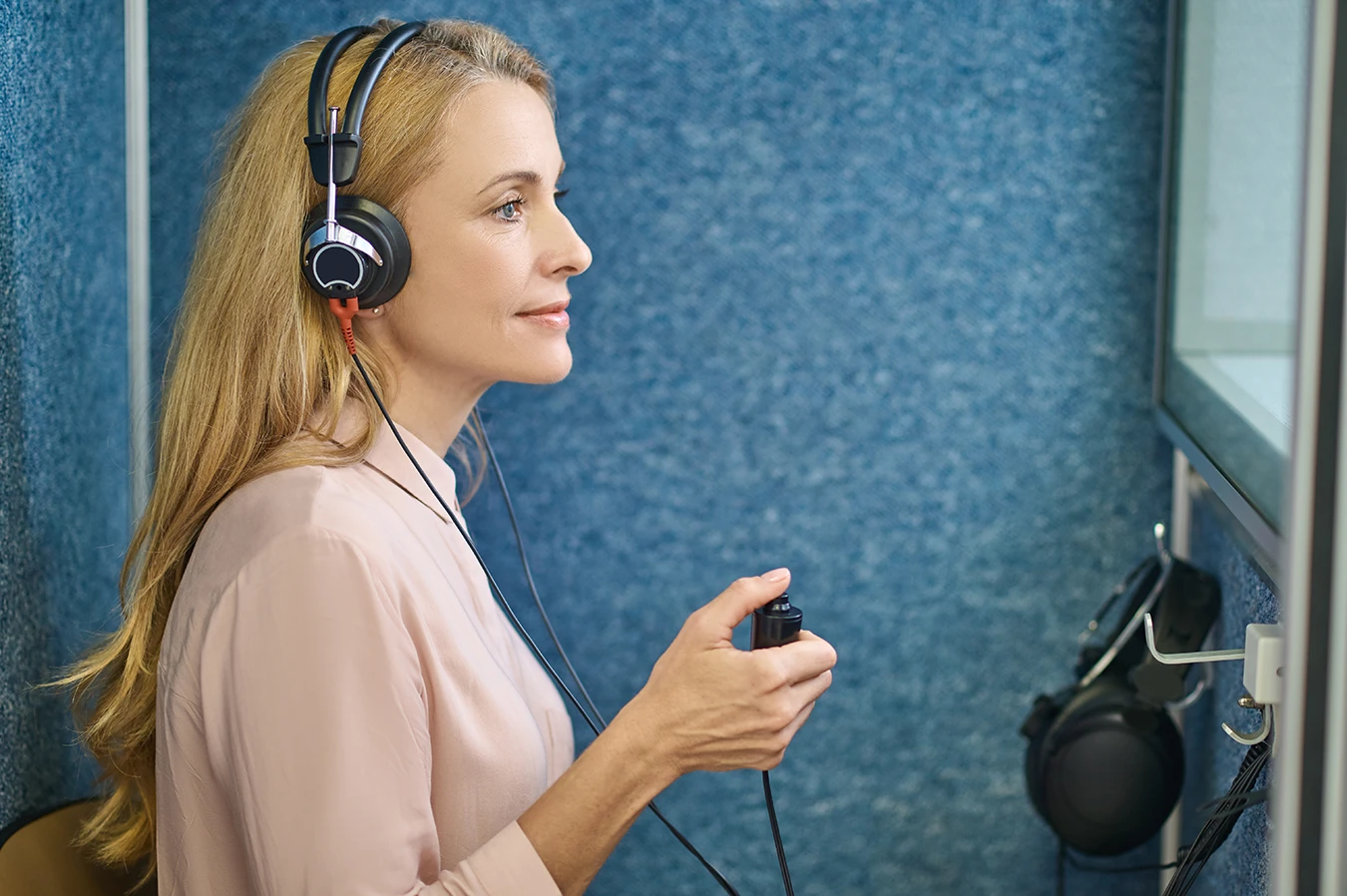
Can Mild Hearing Loss be Reversed?
In this guide, we explain what mild hearing loss is, the most common causes, whether it can be reversed, and available treatment options.
-

How to Choose the Best Audiologist for You
Use these tips to choose the best audiologist for your needs, your lifestyle, and your budget.
-

Can Hearing Aids Translate Languages? (Yes!)
In this blog, we explore how hearing aids with language translation work, which devices offer this technology, and the amazing benefits it provides.
-

How to Tell if Hearing Loss is Serious
Learn the common signs of hearing loss that are frequently overlooked and the long-term health risks of leaving hearing changes untreated.
-

Are AI Hearing Aids Any Good?
In this guide, we explore how AI hearing aids work, the real-world benefits they offer, and key considerations for deciding if they’re right for you.
-

Comparison Guide: Behind-the-Ear vs. In-the-Ear Hearing Aids
This helpful comparison guide breaks down the key differences between behind-the-ear vs. in-the-ear hearing aids.
-
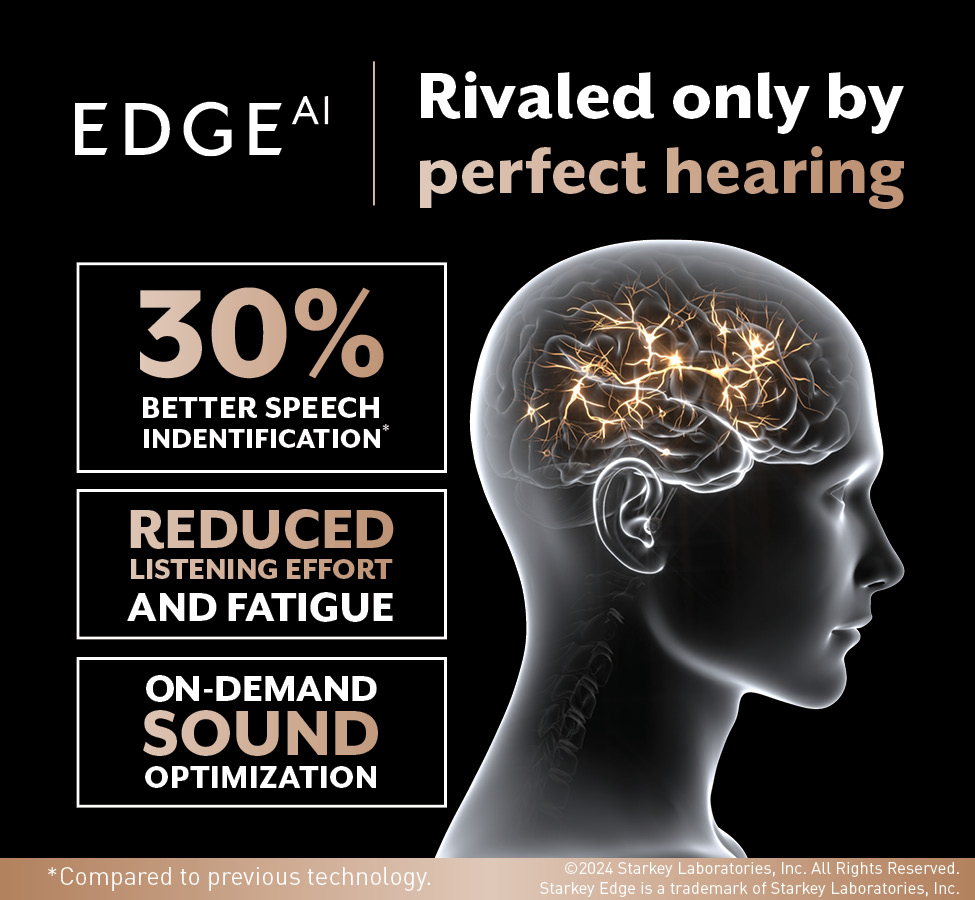
Don’t Buy Hearing Aids Before You See These 2025 AI Enabled Devices!
The future of hearing care is here. Finally latest hearing aids to arrive in Australia are not only discreet but are packed with the very latest Bluetooth technology. If you’re part of the one in six Australian’s who suffer from hearing loss, there is new new help available! The latest advances in technology have shrunk…
-

How Captioned TV Improves Television Viewing for People With Hearing Loss
Captioned TV in Australia has been available since 1982 for deaf and hard-of-hearing people. Television programs with captions are those that display the text version of the spoken and/or audio component of the program being viewed. This technology was introduced to enable equity for people with hearing loss to have equal access to free-to-air programs…
-
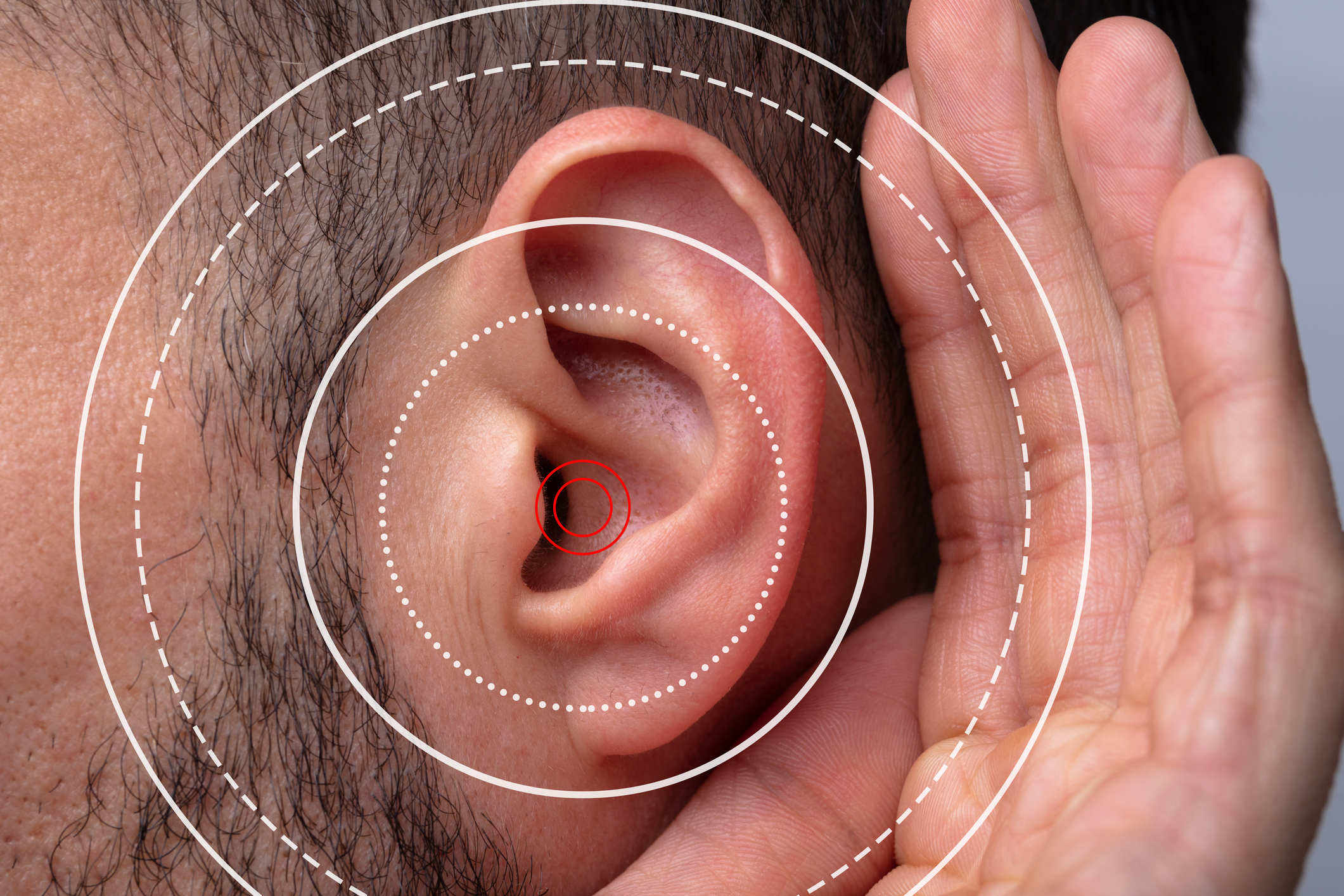
Understanding Your Hearing Dynamic Range
What is dynamic range and how does it affect your hearing? Dynamic range is, to put it simply, your usable range of hearing. It is the amount of decibels (dB) from the softest sound you can hear (your hearing threshold) to where sound is painfully loud (uncomfortable loudness level). For people with hearing within the…
-
Hints To Get Rid Of Unwanted Noise
Noise is a part of life – whether it be man-made, natural, wanted, or unwanted. The problem with noise, apart from sometimes being dangerous, is that if you have a hearing deficit, your brain has lost some of the ability to block it out. This makes hearing difficult, even when things are turned up louder…
-

Ten Tips For Better Virtual Communication
Lockdown has given us many challenges and made us adapt in unexpected ways. Communication has certainly been challenged, particularly for those with compromised hearing levels. For some, communicating online via technology is a completely new situation. Terms such as Zoom, Teams, FaceTime and HouseParty are now part of our everyday vernacular. And even though we…
-
Starkey Livio Thrive App Updates Now Available
Starkey’s Livio AI was introduced in 2019 and then upgraded with the Livio Edge AI late 2020 with some really special features. Recently Starkey has transformed a number of elements in the Thrive smartphone app that works alongside the Livio hearing aids. Some features have been re-named and there’s been a big change in the…
-
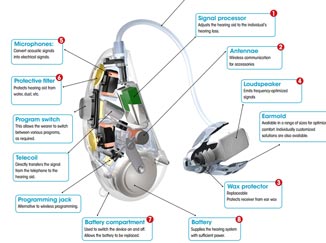
How Do Hearing Aids Work? We Have A Look At Their Main Components
A hearing aid, in basic terms, is an amplification device to augment your hearing levels. The first hearing aids – ear trumpets – had no electronic parts and worked on the premise of increasing the area for collecting sounds to go into the ear. There was a small amount of amplification with these non-powered devices.…
-

Hearing loss: One of 12 modifiable factors for dementia
Hearing loss, apart from impacting communication, has been shown to have other detrimental effects on our physical and mental wellbeing. It is viewed as one of the major causes of poor quality of life for older members in our society and is now linked as a contributing factor to cognitive decline. The most recent studies indicate…
-
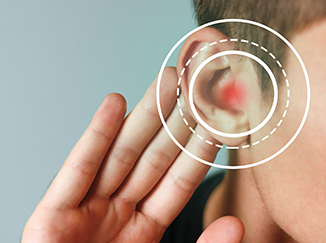
6 Hidden Risks of Hearing Loss
There are a number of hidden risks associated with hearing loss, particularly if it goes untreated. Not hearing well, straining to follow conversations, the auditory system not functioning as it should – all have other impacts on our health. Below are six of hidden risks of hearing loss that are worth reading about. Hidden Risk…
-

8 Tips To Help You Get Used To Your New Hearing Aids
Getting your new hearing aids is an exciting time. But it can also be a little daunting. Your ears (and brain) have not been utilised to their fullest extent for a period of time and it will take time to get used to hearing all the sounds again. In fact, you probably haven’t realised a…
-
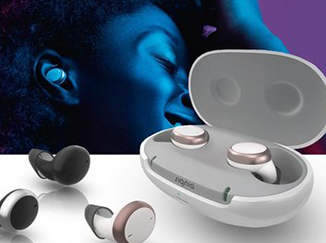
Time to Activate with Signia’s new Earbuds
Built on the Xperience platform, these amazing earbuds will enhance the performance of hearing for people with levels in the mild to moderate range. The Signia Active X earbuds are even being worn by individuals with normal hearing levels to boost speech understanding in noisy environments. With Signia’s instant fit protocol, you can contact your…
-

Hearing Dogs – Assistance Animals for Your Ears
According to Human Rights Australia, an Assistance Animal (sometimes referred to as a ‘service animal’), can be any animal that has been trained to support a person with a disability to allow them more independence at home and in accessing public facilities. Dogs are the most familiar form of assistance animals and they fall into…
-

5 tips to hear better on the phone with hearing loss
Hearing on the phone can be tricky, with or without a hearing aid, as the quality of the line and the environment you’re listening in can add to the complexities of the call. If you have a hearing loss there are some things you can do to augment the conversation, to ensure you hear all…
-

How You Can Access Subsidised Home Care Packages
Disclaimer: This is a sponsored post in partnership with Careabout The Department of Health has a support program for older Australians to help them remain independent at home, particularly those with complex needs. This program is called the Home Care Package. There are now aged care service providers who offer Home Care Packages to eligible…
-
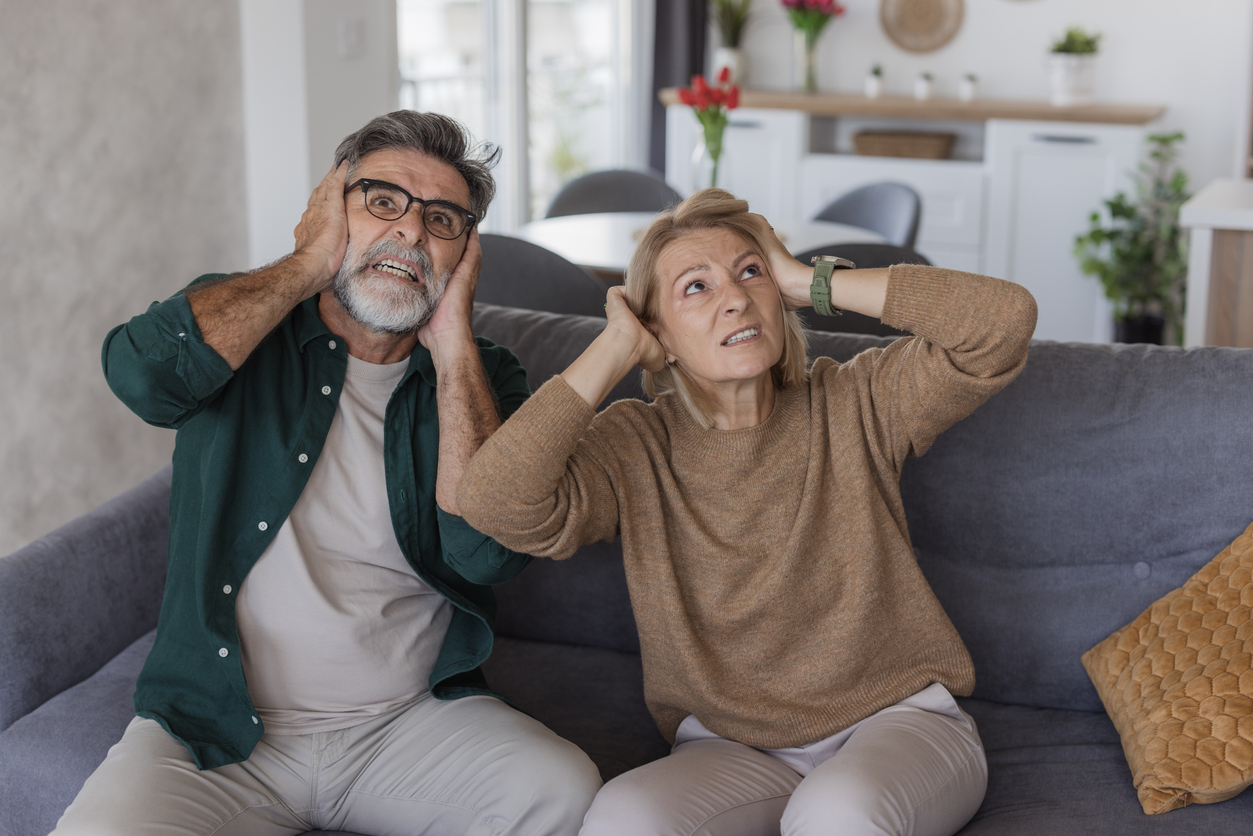
The Link Between Migranes And Hearing Loss
Is there a link between migraines and hearing loss? With thirteen percent of the population experiencing migraines, this is an important question to ask. There is mounting evidence that migraine sufferers could also be susceptible to hearing loss. There are a number of reasons why this might be the case, so if you experience migraines,…
-

Can Regular hearing tests reduce the risk of dementia?
Over the past three decades, more and more research has turned to the link between hearing loss and dementia. Initially, much of the research was ignored, but now, with the evidence mounting up, it is important to understand how untreated hearing loss can increase the risk of developing and worsening dementia. It is also vital…
-

Which Are The Best Hearing Aids For Listening To Music?
Music to your ears A major concern for many people with hearing decline is the loss of the richness of music. Hearing aids, until more recently, were not able to compensate adequately to achieve a fullness of musical sound. The other major concern is that music could be contributing to hearing problems, giving you a…
-

Hearing Aid features for Improved Hearing In Background Noise
Background noise is the bane of all people with compromised hearing levels – it can even provide challenges for people with normal hearing. But when you have a hearing loss, your ability to hear speech in amongst all the noise, is impacted in a more negative manner. This is the reason that the main focus…
-
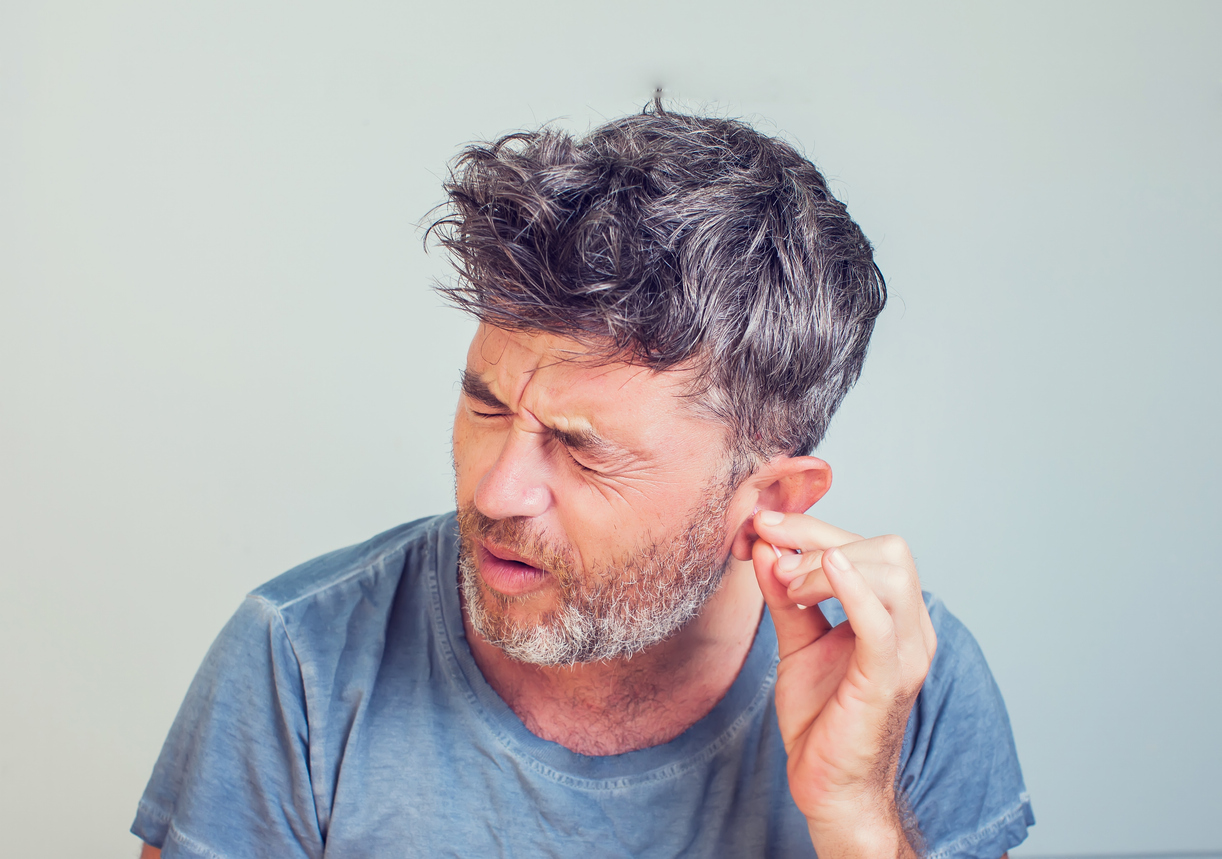
Itchy Ears – What Are The Causes And How Can You Manage Them
Do your ear canals itch – especially after you’ve been wearing your hearing aids? This is a common problem, and for most people, not an issue. But it’s nice to get some relief, understand why this is happening, and how you can reduce the problem. Causes of the itch Hearing aids – the coating on…
-
A Balancing Act – what keeps you upright and balanced?
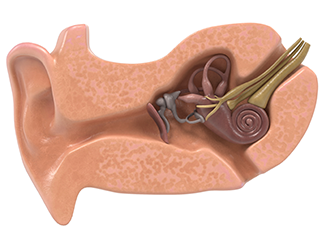
Have you ever wondered what keeps you upright and balanced? Your ability to stand, move and not fall over happens as a number of sense organs work together to keep you steady. And the vestibular system – part of the hearing sense – plays a major part in this balancing act. The vestibular system is…
-
Moisture in your hearing aids – Are Hearing Aids Waterproof?
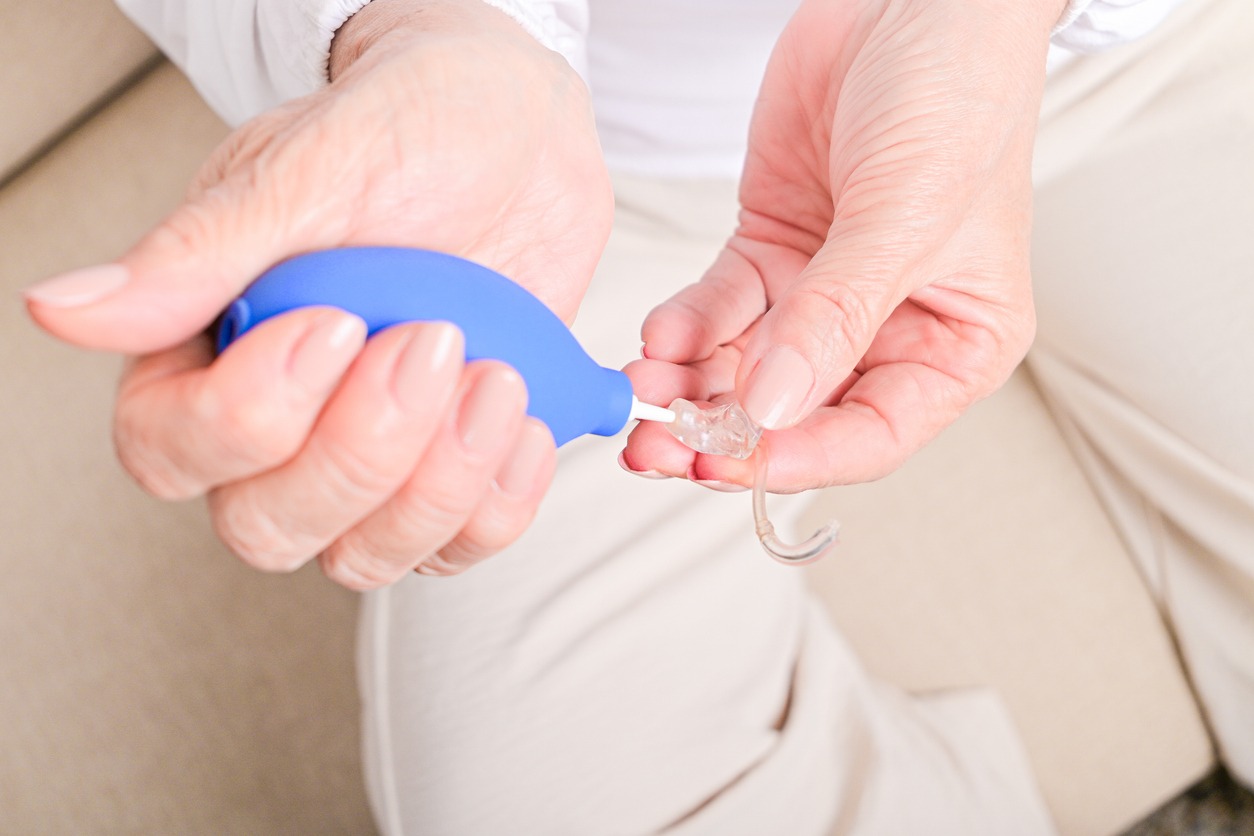
Moisture in your hearing aids is not a good thing. It can cause corrosion and affect the performance of the microphone in your device. So how much moisture can your hearing aids take before they start to malfunction? Really, not very much. In mathematical terms, half a microlitre can cause a significant drop in amplification.…
-
Buying Hearing Aids Online in Australia – Avoiding The Pitfalls
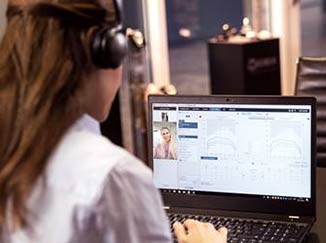
Buying hearing aids online, or even completing an online hearing test, is quite common now in Australia. If your hearing test showed you have a hearing loss and you’re now looking to purchase something to optimise your hearing and communication, you may be thinking about buying a hearing aid online. It can be a very…
-
Six Steps To Successful Bluetooth Pairing For Your Phone
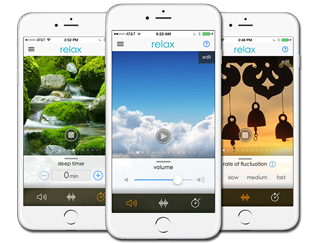
Many hearing aids come with Bluetooth and can be paired to various devices for streaming phones calls, audio and music. Every brand of hearing aid may be slightly different and the steps below will cover most hearing aids. Pairing your smartphone is the best place to start, particularly if you wish to stream phone calls…
-

The Impact of noise on hearing
Do you work in a noisy industry? Are you a recreational shooter or listen to a lot of loud music? If so, you could be a victim of noise induced hearing loss. Each year, thousands of Australians claim for loss of hearing through exposure to excessive noise in the workplace. Many other people are putting…
-
Six signs of hearing loss
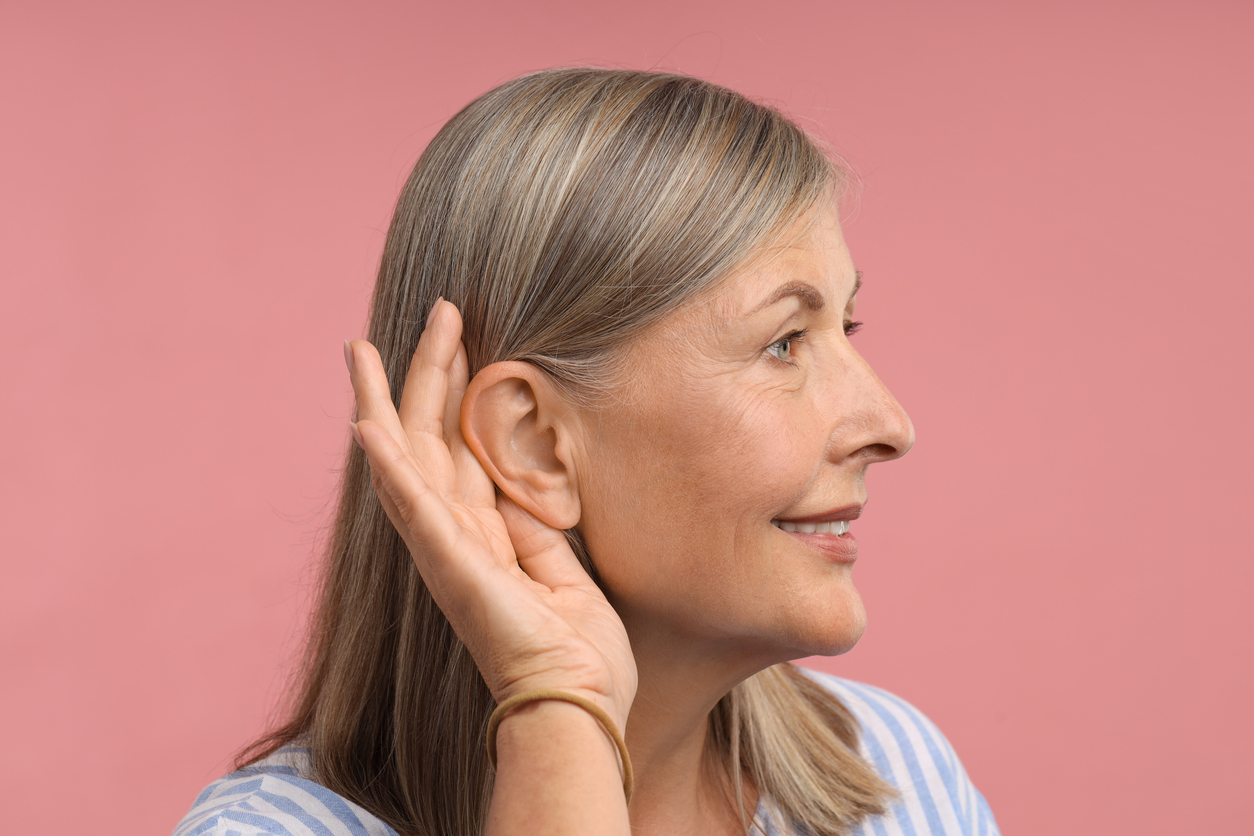
Are there signs to watch out for – signs that could indicate you have a hearing loss? No-one’s hearing is perfect, and it’s normal to miss a few things in conversations. Perhaps you were focused on something else, like looking for your keys when your partner told you to get milk at the shops. “I…
-
Conductive hearing loss and hearing aids
Most people who have a hearing loss will more than likely have an inner ear or sensorineural hearing loss. However, people with an outer or middle ear problem – known as conductive hearing loss – may also opt for hearing aids if medical treatment is unsuccessful or not wanted. The outer ear collects sound and…
-
Step out in style with the Styletto
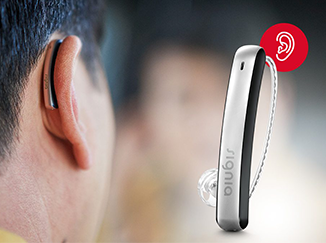
There’s been a number of form changes to hearing aids over the years, from the ear trumpet, to the body aid, behind the ear and in the ear devices. We now have invisible aids and earbud hearing aids – and all have a role to play in assisting people improve their hearing. Signia looked at…
-
Six steps to successful Bluetooth pairing for your phone
Many hearing aids come with Bluetooth and can be paired to various devices for streaming phones calls, audio and music. Every brand of hearing aid may be slightly different and the steps below will cover most hearing aids. Pairing your smartphone is the best place to start, particularly if you wish to stream phone calls…
-
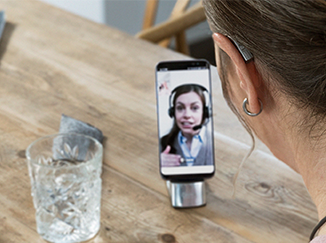
What is Remote Care or Teleaudiology?
What is Remote Care or Teleaudiology? Remote care, ‘telehealth’ or ‘teleaudiology’ are all terms you may have heard, particularly in recent times. Signing up for a remote care appointment means you will be able to interact with your Audiologist or Audiometrist without attending a clinic visit. Your appointment enables you to stay at home (or…
-
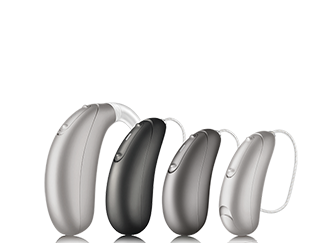
Discover what’s ‘Next’ from Unitron
Moving on from their ‘Discover’ hearing aids, Unitron have recently released the Discover Next platform for a new generation hearing aids. The Next chip allows hearing aids to move “beyond words to capture the deeper meaning in conversations”. Unitron strives to unearth the real meaning and emotion in the speech while you’re hearing with Discover…
-
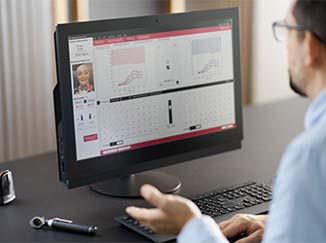
5 ways to stay in contact with your Hearing Healthcare Professional
Do you know how to contact your Hearing Clinic if you can’t visit in person, or you just have a question you need answered? Whether you’re in self-isolation, unable to make a person-to-person appointment due to health or work commitments, there are ways you can reach out to your Hearing Healthcare Professional to have your…
Guiding your Hearing Aid Purchase Journey
4.5 Stars on Google
Competitive Price Research
Sustainable Solutions To Hearing Loss
Hearing Clinic Network Across Australia
Can an Audiologist Treat Tinnitus?

Clinic Finder
Find a Clinic Near You
Not sure where to start your hearing journey?
Our Find a Clinic tool makes it simple to discover hearing clinics near you. From your first test to ongoing care, local audiologists are ready to guide you every step of the way. Take the guesswork out of finding help and get connected to the right support close to home.

200+ Clinics
Our Network Is Vetted
We partner only with clinics that meet strict standards for professionalism, care, and expertise.
Connect With a Hearing Specialist
