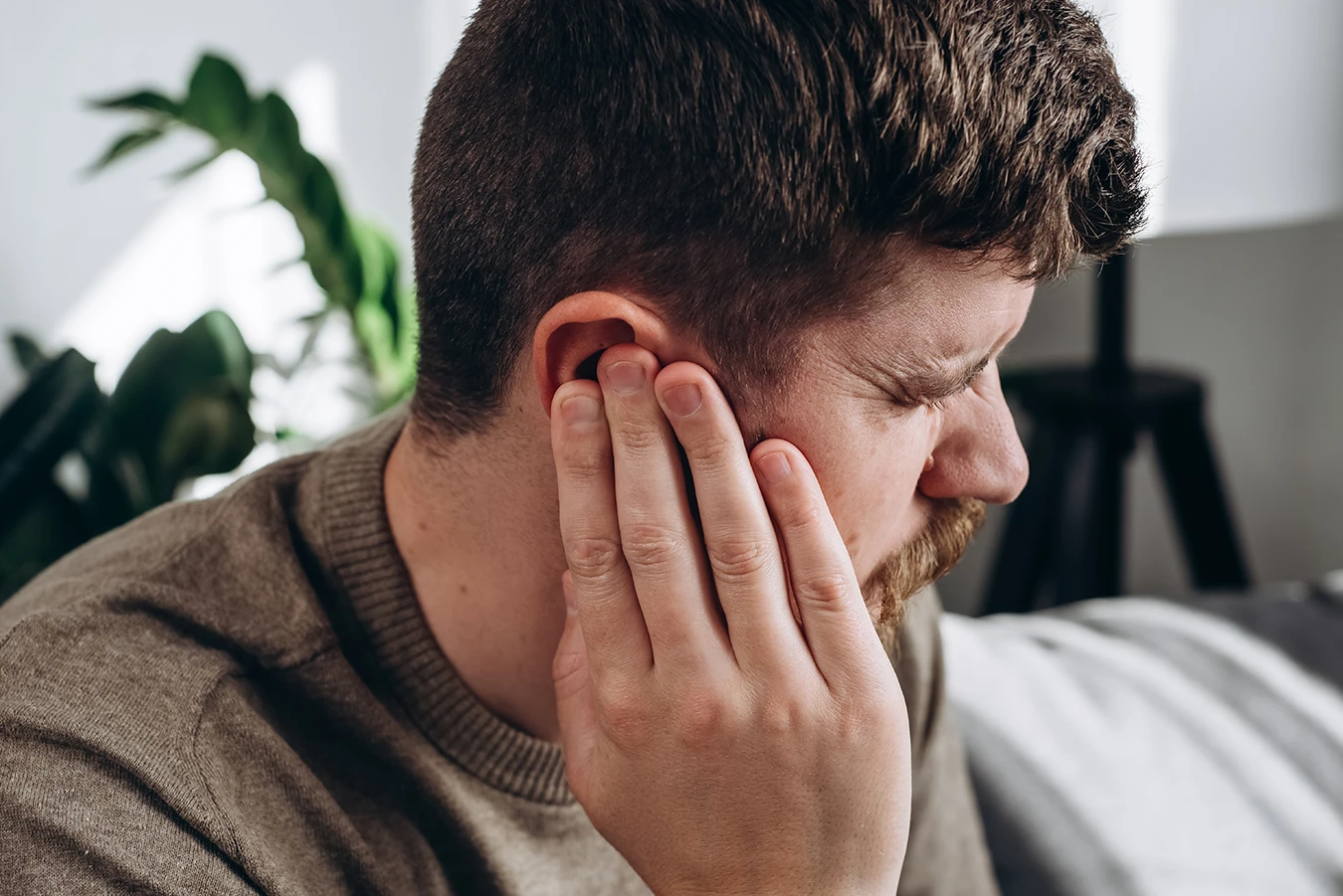
Are there signs to watch out for – signs that could indicate you have a hearing loss? No-one’s hearing is perfect, and it’s normal to miss a few things in conversations. Perhaps you were focused on something else, like looking for your keys when your partner told you to get milk at the shops. “I didn’t hear you,” you might say when you return home empty-handed.
Does this mean you have a hearing loss? Possibly not. But there are some signs you can look out for, in everyday life, that could indicate you have a hearing loss.
#1 Asking for frequent repeats
Do you find yourself constantly saying “what?” or “pardon?” in conversations. Are you asking your partner to repeat what others said when you are out and about? This is a sure sign your hearing isn’t as good as it used to be.
#2 Background noise makes hearing difficult
Your ability to clearly hear and follow conversations when there’s background noise makes venturing out to noisy places an unpleasant experience. Having difficulty understanding words especially against background noise or in a crowd is a sign to be aware of. Yes, everyone experiences some level of difficulty hearing voices over noise, but if you find you are avoiding noisy places, your problem could be more than just the normal level of difficulty.
#3 Your neighbours can hear your TV!
Do you find that your partner doesn’t have the TV loud enough? Have your neighbours complained about the level of your TV? Can they give you a rundown of your TV watching habits because they can hear what shows you’re watching? If you need the volume constantly louder than everyone else, it’s not time to get a new TV – it’s time to get your hearing checked.
#4 Please speak up!
Is this now a common refrain from your lips? If you’re frequently asking others to speak more slowly, clearly and loudly this could be because you’re having trouble hearing them. It’s not that younger people mumble (although some do, most speak distinctly enough), it’s that your hearing cells aren’t firing as well as they used to.
#5 You hear better with your glasses on
How does that work? Why would wearing glasses help you hear better? Whether you realise it or not, you get a lot of ‘cues’ from reading people’s facial expressions and lips. If your hearing is down, sharpening your other senses will assist in the communication process. Putting your glasses on will help you read people’s faces and use this information, along with what you can hear, to interpret conversation.
#6 You are isolating yourself from conversations
Does the thought of going out to a social occasion instil some anxiety? Putting yourself through perhaps hours of not following conversations, asking for constant repeats and missing out on what’s being said, is not your idea of a fun night out. Perhaps you’re embarrassed about not understanding what’s going on around you. Not hearing your loved ones can be disorientating and confusing. Maybe you feel it’s better to just avoid these situations. Don’t fall into that trap. Stay connected, keep hearing.
If you experience any of these signs, it’s time to get your hearing assessed. Monitor yourself. Don’t be the last to realise your hearing levels have declined. If you experience any of these issues – act now. It might be time to get your hearing augmented so you can continue to be involved in what’s going on around. Don’t miss out, reach out and get your hearing checked.