TL;DR: Can Mild Hearing Loss be Reversed?
Some cases of mild hearing loss can be reversed if it’s caused by a temporary issue like earwax buildup or an ear infection. However, mild hearing loss caused by aging, noise exposure, or damage to the inner ear cannot be reversed. This guide explains the common signs, causes, diagnosis, and treatment options for mild hearing loss.
Table of Contents:
Today, an estimated 3.6 million people in Australia live with some degree of hearing loss.1 If you’ve noticed slight changes in your hearing, you may be experiencing mild hearing loss. While incredibly common, it often sneaks up on you so gradually that you barely notice it happening. Once you realise your hearing isn’t quite what it used to be, the very first thing that usually springs to mind is: Can I fix this? Can mild hearing loss be reversed? Is this permanent?
The short answer is: it depends entirely on what’s causing it.
In some cases, mild hearing loss can be caused by earwax buildup or minor infection and can be cleared up with a quick trip to a local GP or audiologist. On the other hand, many instances of mild hearing loss are permanent. However, “permanent” doesn’t mean you’re out of options. Thanks to some incredible advances in hearing technology, managing mild hearing loss is easier, more discreet, and more accessible than ever before.
In this guide, we explain what mild hearing loss is, the most common causes, whether it can be reversed, and available treatment options.
What is Mild Hearing Loss?
Clinically speaking, mild hearing loss is an early stage of hearing impairment where your hearing threshold sits between 26 and 40 decibels (dB). In plain English, that means the quietest sounds you can hear are about the volume of a casual conversation (50–60 dB). Soft sounds like a whisper in a quiet room (20–30 dB) or the hum of a refrigerator (30–40 dB) are nearly impossible to hear with mild hearing loss.
Symptoms of Mild Hearing Loss
People with mild hearing loss can usually hear some speech, but they may miss certain parts of words or struggle with high-pitched voices. At this level, everyday sounds such as whispers, soft speech, birds chirping, or distant conversations may also become difficult to detect.
Many people do not realise they have mild hearing loss at first because the changes often happen gradually. Instead, they may notice subtle symptoms, including:
- Frequently asking others to repeat themselves
- Trouble hearing soft voices or high-pitched sounds
- Difficulty following conversations in noisy places
- Struggling to hear certain consonant sounds like “f,” “k,” “s,” “sh,” or “th,”
- Turning up the volume on the TV louder than others prefer
- Difficulty hearing people clearly during phone calls
- Feeling like people are mumbling more often
- Needing to focus harder on words to hear them clearly
Mild hearing loss can affect people of all ages and may result from a number of causes. In some cases, the condition may be temporary and reversible, while other forms of mild hearing loss are permanent.
Mild Hearing Loss Causes: Reversible vs Permanent
Whether mild hearing loss can be reversed depends largely on its underlying cause. Hearing loss generally falls into two main categories: Conductive or Sensorineural.
Conductive forms of mild hearing loss can often be completely reversed once the blockage is cleared. Sensorineural forms of mild hearing loss are permanent, but highly manageable.
- Conductive Hearing Loss: Occurs when something physically blocks sound from traveling through your outer or middle ear to the inner ear. A common cause is a buildup of earwax or fluid from an ear infection.
- Sensorineural Hearing Loss: Occurs when there is damage to the tiny, delicate hair cells in your inner ear (the cochlea) or the auditory nerve. This is typically caused by natural aging and/or prolonged and repeated exposure to loud noise.
Below, we take a closer look at common causes of mild hearing loss that are reversible vs the causes that are permanent:
Reversible Causes of Mild Hearing Loss
Common reversible causes of mild hearing loss include:
- Earwax buildup: Earwax (cerumen) is a natural shield against bacteria, debris, and irritation. However, if the body produces too much of it or it gets pushed further into the canal, it can compact and block sound waves from reaching the inner ear. Hearing often returns to normal after the blockage is safely removed by a professional.
- Ear Infections or Fluid Buildup: Infections and fluid trapped behind the eardrum can reduce hearing temporarily. Medical treatment such as antibiotics, drainage, or time for recovery may help hearing return to normal.
- Temporary Threshold Shifts (TTS): After prolonged exposure to loud sounds such as music concerts, heavy machinery, or using headphones at high volume, it’s common to experience muffled hearing or ringing in the ears. This temporary condition, known as a temporary threshold shift (TTS), generally improves on its own after the ears have time to recover.
- Injuries or Medical Conditions: Some injuries, such as cauliflower ear or medical conditions such as a perforated eardrum, can cause temporary, mild hearing loss. Medical intervention to treat the injury or condition may help restore hearing to normal.
If you notice any sudden changes in your hearing, it could be a sign of a medical emergency, and you should seek immediate medical attention.
Permanent Causes of Mild Hearing Loss
Common permanent causes of mild hearing loss include:
- Age-Related Hearing Loss (Presbycusis): This is the most common type of permanent hearing loss and occurs naturally with age. It typically affects both ears but progresses gradually over time.
- Noise-Induced Hearing Loss (NIHL): This is the second most common type of permanent hearing loss and is caused by damage to the inner ear hair cells due to prolonged and/or repeated exposure to loud sounds.
- Genetic Causes: Permanent hearing loss is often hereditary, which means it is present at birth and caused by mutations in certain genes passed down from the parents.
- Ototoxic Medications: Certain types of medications can have a toxic effect on the inner ear and cause permanent hearing loss.
- Medical Conditions: There are a number of health conditions that can also contribute to hearing loss over time, including Ménière’s disease, diabetes, hypertension, and more.
- Severe Inner Ear Trauma: Injuries to the face, ear, or head can cause physical damage to the inner ear, resulting in permanent hearing loss.
A professional hearing exam performed by an audiologist is the only way to diagnose mild hearing loss and determine if it is reversible or permanent.
Mild Hearing Loss Treatment Options
The best treatment for mild hearing loss depends on the underlying cause and severity of symptoms. In some cases, treating an injury or medical condition can restore hearing, while other forms of mild hearing loss may require long-term management strategies to improve communication and quality of life.
Treating the Underlying Reversible Cause
If mild hearing loss is caused by a temporary issue, addressing that specific medical condition will often restore your hearing completely:
- Ear Wax Removal: In many cases, mild hearing loss caused by earwax compaction subsides when a qualified professional removes the blockage.
- Medication or Surgery: Ear infections or fluid buildup behind the eardrum are often treated with antibiotics or ear tubes.
- Managing Underlying Conditions: Managing health conditions like high blood pressure or diabetes can prevent mild hearing loss from worsening.
Hearing Aids for Mild Hearing Loss
If the root cause of mild hearing loss is permanent, the goal shifts from curing the loss to effectively managing it so it doesn’t impact your quality of life, mental health, or cognitive function:
- Hearing Aids: Hearing aids are the gold standard of treatment for irreversible hearing loss.
It’s not uncommon for people to hesitate to get hearing aids for mild loss, thinking their condition “isn’t bad enough yet.” However, treating mild hearing loss early keeps the auditory pathways in your brain active and can greatly reduce the risk of cognitive decline, including Alzheimer’s disease and other forms of dementia.2
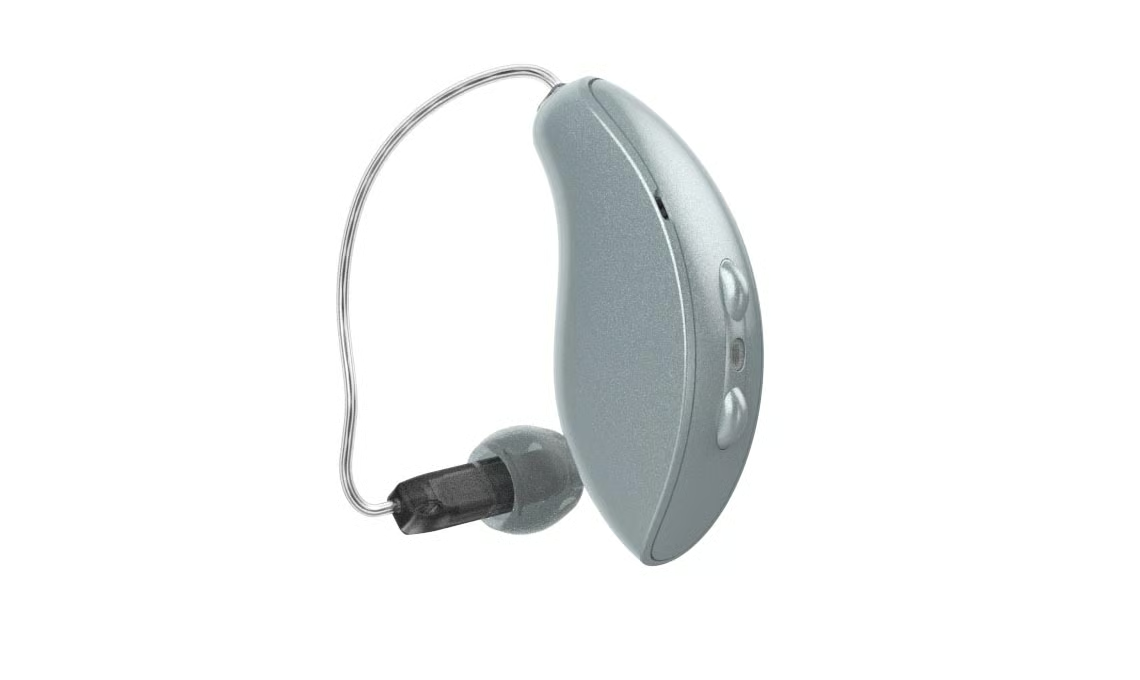
Top Hearing Aids for Mild Hearing Loss
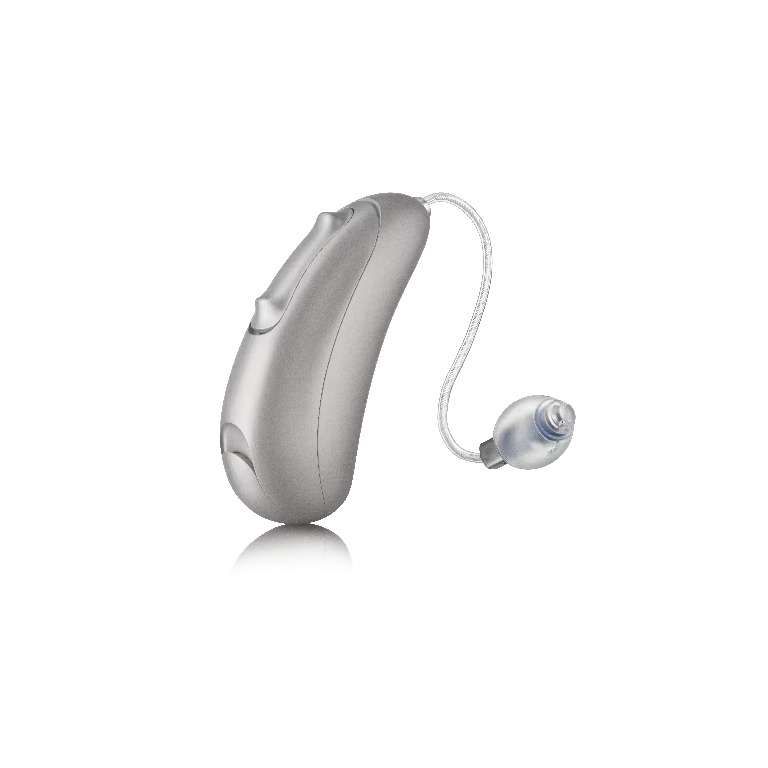
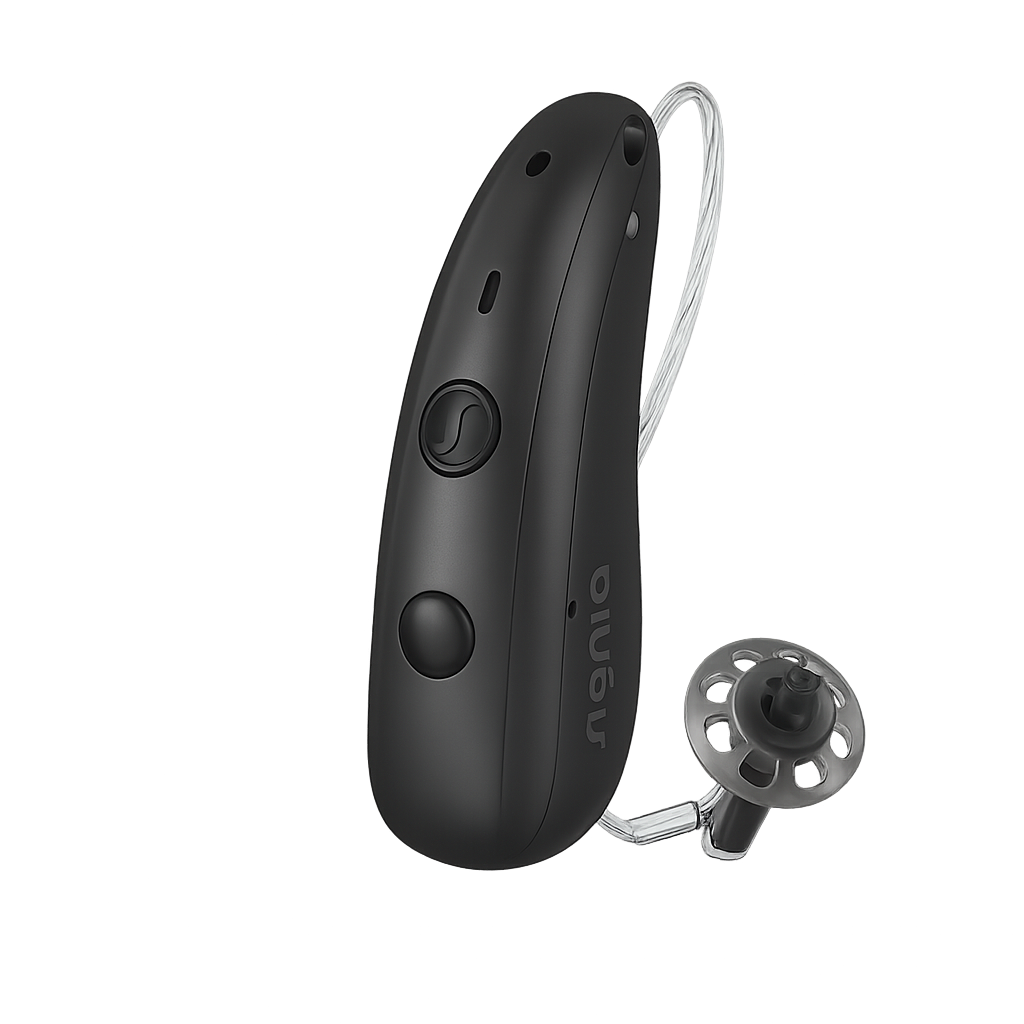
Below are some of the top hearing aids for mild hearing loss commonly recommended by audiologists and reviewers alike:


Start Your Hearing Health Journey with Hearing Choices
At Hearing Choices Australia, our goal is to make your journey to better hearing as simple and stress-free as possible. We are proud to partner with a network of highly rated audiologists to help you find the best hearing care tailored to your needs, budget, and lifestyle.
It’s never too late to start prioritising your hearing health. Get in touch with a local expert and take the first step toward better hearing:
References:
- Contact, C. P. A. H. C. a. 2. (2019, March 26). 1. Introduction. https://www.aph.gov.au/Parliamentary_Business/Committees/Senate/Education_and_Employment/CasualConversion/Report/Section?id=committees%2Freportrep%2F024048%2F24421
- Huang, A. R., Jiang, K., Lin, F. R., Deal, J. A., & Reed, N. S. (n.d.). Hearing Loss and Dementia Prevalence in Older Adults in the US. JAMA, 329(2), 171. https://doi.org/10.1001/jama.2022.20954