
You can use headphones with hearing aids, but the best type depends on the style of hearing aid you wear and how the headphones fit around it. Some combinations work comfortably with little adjustment, while others can press against the hearing aid or its microphones and cause discomfort or feedback.
If you wear hearing aids, you may also have the option of streaming music, phone calls, television audio and other sound directly to your hearing aids. However, conventional headphones can still be useful when direct streaming is unavailable or when you prefer to use a separate listening device.
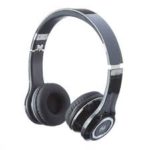
Using Headphones Safely with Hearing Aids
Hearing aids do not protect your hearing from excessive sound. Listening to headphones at high volumes or for long periods can still expose your ears to potentially harmful sound levels.
Use the lowest volume that allows you to listen comfortably and take breaks during longer listening sessions. Noise-cancelling headphones can also be useful in noisy environments because reducing outside noise may make it easier to listen without increasing the headphone volume. Noise cancellation does not, however, make high listening levels safe.
If you regularly need a high headphone volume to understand speech or music, speak with your hearing care professional. Your hearing aids may need adjustment, or direct audio streaming may provide a better listening option.
Headphones for People with Hearing Aids
The physical design of your hearing aids is one of the main factors when choosing headphones. In-the-ear (ITE), in-the-canal (ITC), completely-in-canal (CIC) and invisible-in-the-canal (IIC) hearing aids sit primarily inside the ear. This generally leaves more space around and behind the ear for headphones.
Behind-the-ear (BTE) and receiver-in-canal (RIC) hearing aids have components that sit behind the ear. With these styles, the size and position of the headphone ear cups are particularly important. Headphones that press against the hearing aid or sit too close to its microphones may be uncomfortable or contribute to acoustic feedback.
Bone-Conduction Headphones
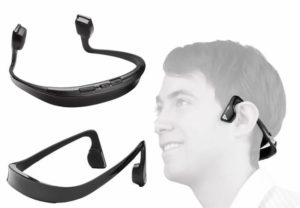
Bone-conduction headphones sit against the bones near the ear rather than placing a speaker inside or over the ear canal. They create vibrations that are transmitted through the skull to the inner ear, rather than relying primarily on sound travelling through the outer and middle ear.
This design leaves the ear canal open and can work well physically with some custom in-ear hearing aids. Compatibility with BTE and RIC hearing aids depends on the shape of both devices because the headphone band or transducer may occupy the same area as the hearing aid.
Bone-conduction headphones should not be considered a replacement for properly fitted hearing aids. Their effectiveness also varies according to the type and degree of hearing loss. If you are considering them specifically because of your hearing loss, discuss the option with your hearing care professional.
On-Ear Headphones
On-ear headphones rest directly on the outer ear. They can work well with smaller hearing aids that sit mostly inside the ear, including many CIC and IIC devices.
They may also work with some ITE and ITC hearing aids, although comfort depends on the size and position of the hearing aid. With BTE and RIC devices, on-ear headphones are more likely to make contact with the hearing aid or its microphones.
If you experience whistling or feedback, try repositioning the headphones so they are not pressing against the hearing aid. Persistent feedback should be discussed with your hearing care professional rather than compensated for by increasing the headphone volume.
Over-Ear Headphones
Over-ear headphones use larger ear cups that surround the ear. For many hearing aid users, particularly people wearing BTE or RIC devices, a sufficiently large ear cup can provide more space for the hearing aid than an on-ear design.
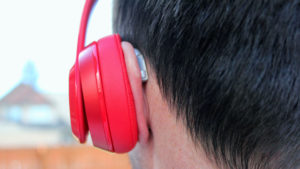
The ear cup should surround the hearing aid without pressing firmly against it. Because the microphones on BTE and RIC hearing aids are usually located behind or above the ear, the position of the headphone speaker relative to those microphones can also affect sound quality.
If an over-ear headphone causes feedback, discomfort or pressure on the hearing aid, try a model with deeper or larger ear cups. Headphone fit varies considerably between models, so trying them while wearing your hearing aids is preferable when possible.
Best Headphones for Hearing Aids
There is no single headphone model that is best for every hearing aid user. Hearing aid size, microphone position, hearing loss, head shape and personal comfort all affect which headphones will work well.
When comparing headphones, consider the following features:
- Enough space for your hearing aids: The headphones should not press against the hearing aid, tubing, receiver wire or earmould.
- Comfort: Look for soft ear cushions and a headband that does not place excessive pressure around the ears.
- Low risk of feedback: The headphones should sit in a position that does not cause persistent whistling from your hearing aids.
- Noise cancellation: Active noise cancellation can reduce environmental noise and may make comfortable listening possible at a lower volume.
- Adjustable fit: Adjustable ear cups and headbands make it easier to position the headphones around your hearing aids.
- Wireless connectivity: Bluetooth headphones can be convenient for phones, tablets, computers and televisions that support Bluetooth audio.
- Microphone quality: If you intend to use the headphones for calls or video meetings, choose a model with a suitable built-in or boom microphone.
Wireless Headphones for Hearing Aid Users
Wireless headphones connect to compatible devices using technologies such as Bluetooth. Whether a wireless headphone works comfortably with your hearing aids still depends primarily on its physical fit. Wireless connectivity itself does not make a headphone more or less compatible with a hearing aid.
Before purchasing wireless headphones, consider how you intend to use them. Battery life may be important for long listening sessions, while multipoint Bluetooth can be useful if you regularly switch between a computer and phone. For calls, microphone performance may be more important than maximum battery life.
Headphones with a Microphone
If you use headphones for phone calls, work meetings or gaming, models with a built-in microphone can allow you to hear through the headphones while your voice is captured by the headset microphone.
As with other headphones, make sure the ear cups do not put uncomfortable pressure on your hearing aids. People who wear BTE or RIC hearing aids may need larger over-ear headphones or a headset designed with deeper ear cups.
Can You Use Earbuds with Hearing Aids?
Earbuds can be difficult to use with hearing aids that occupy the ear canal because both devices need to fit in the same space. This includes many ITE, ITC, CIC and IIC hearing aids.
Some BTE and RIC users may have enough space in the ear canal for earbuds, depending on the earmould, dome or receiver configuration. However, wearing an earbud together with a hearing aid receiver may be uncomfortable and is not appropriate for every fitting.
If you want an in-ear listening option, ask your hearing care professional whether earbuds are appropriate with your specific hearing aids.
Streaming Audio Directly to Your Hearing Aids
Many modern hearing aids can stream audio directly from compatible phones, tablets, computers and other devices. Depending on the hearing aid and source device, this may use Made for iPhone technology, Bluetooth or a manufacturer-specific wireless accessory.
Direct streaming can remove the need to wear headphones over your hearing aids. Phone calls, music, podcasts, videos and other audio can be sent directly to compatible hearing aids, although supported devices and features vary between hearing aid models.
If you use an iPhone, Made for iPhone hearing aids can support direct audio streaming when used with compatible Apple devices. Other hearing aids offer different Bluetooth connectivity options. Your hearing care professional can explain which streaming features are available with your particular hearing aids and phone.
Choosing Headphones for Your Hearing Aids
The most important considerations are comfort, fit, sound quality and avoiding feedback. People with hearing aids that sit entirely or mostly inside the ear generally have more headphone options. BTE and RIC users should pay particular attention to ear-cup size and the position of the hearing aid microphones.
If possible, try headphones while wearing your hearing aids before purchasing them. If you experience persistent feedback, discomfort or difficulty hearing the headphone audio clearly, your hearing care professional can help determine whether a different headphone style, hearing aid adjustment or direct-streaming option would work better.
For advice about hearing aids, wireless streaming and other listening options, contact Hearing Choices on 1300 848 335 for a free, no-obligation consultation.

